Geofence Alert Failures Create Immediate Safety Gaps in Fleet Operations
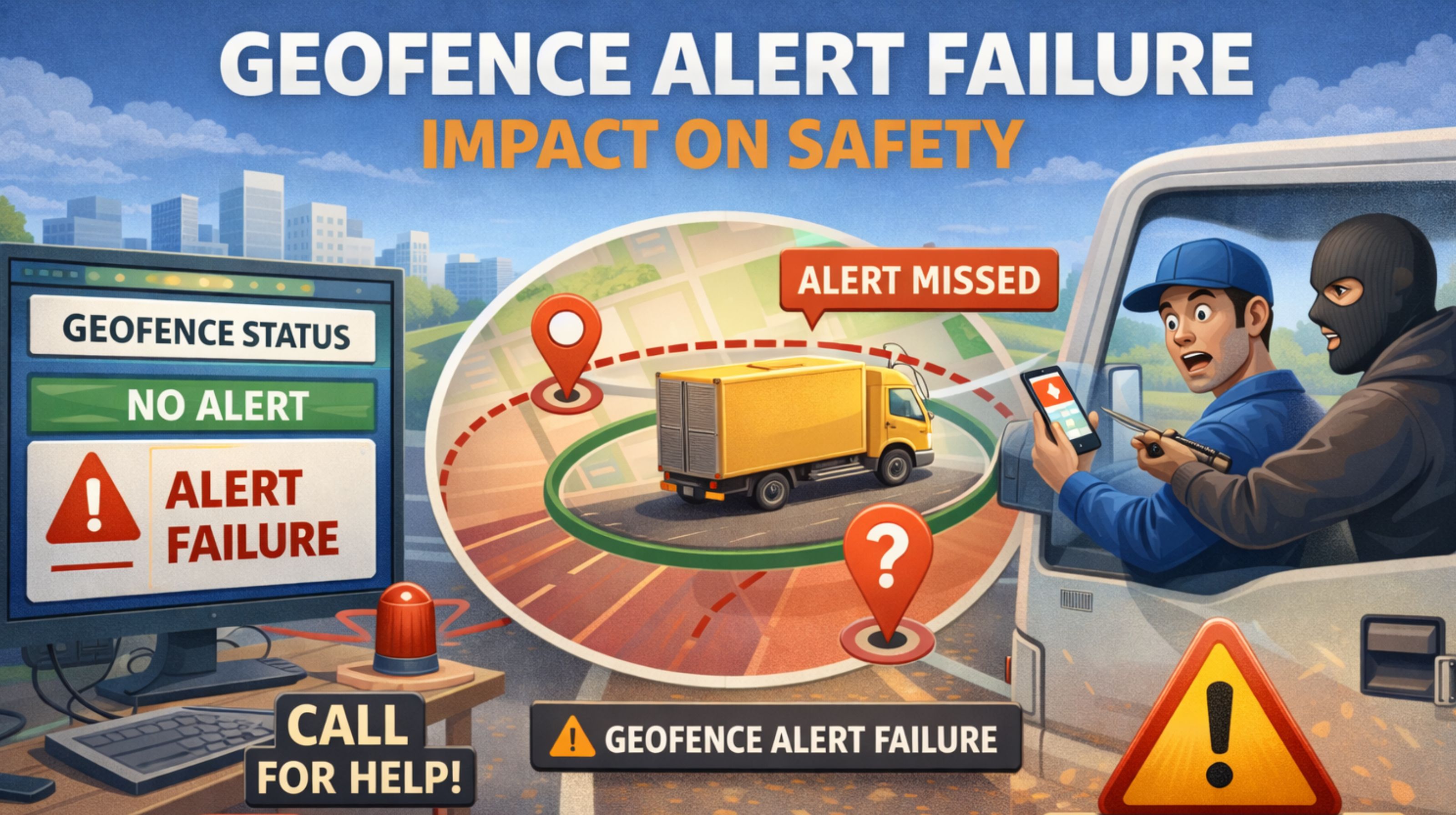
Geofence Alert Failures Create Immediate Safety Gaps in Fleet Operations
When a geofence alert doesn't trigger, it's more than a missed notification—it's like a hole in the fence you thought was secure. Suddenly, a vehicle can slip in or out of a restricted area with no one the wiser, which kind of defeats the whole purpose. What you often see in practice is a truck sitting somewhere it shouldn't be, and the alert comes hours late, or you find out about it after something's already gone wrong.
What Geofence Alert Failure Means for Live Fleet Safety
In real-time tracking, a failure here means your digital boundary was crossed, but the system didn't do what it was supposed to—send that email, text, or app notification. So your team is left thinking everything's fine, when it's not. One thing people don't always realize is how often this is caused by the device itself going into a power-saving mode. It might delay checking its location just long enough to completely miss the moment a vehicle crosses the line.
The Reality of Geofence Failures Under Real Fleet Scale
When you're dealing with a lot of vehicles at once, the chance of something failing just goes up. If a bunch of devices are hitting the same cell tower, the location updates can get staggered. The system might then guess the vehicle's path, making it look like it "jumped" over the fence without ever actually triggering an entry or exit alert. That's a serious problem—imagine a vehicle getting into a hazardous site after hours, and no one is notified. Handling this scale properly needs fleet management software that's built for heavy, constant data.
Common Mistakes and Escalating Safety Risks
A big mistake is blaming the tech right away. A lot of the time, it's just set up wrong. If you draw a geofence with a 100-meter radius but set the trigger sensitivity to 500 meters, the vehicle has to go way inside before anything happens, if it ever does. That kind of setup risk leads to slow responses and worse safety incidents. Another tricky one is when the system logs show a crossing, but the safety team never got the alert. That creates a real mess during an audit or an incident review.
Decision Help: When to Tune, Reconfigure, or Redesign
Figuring out what to do comes down to the pattern. If failures are just occasional and tied to specific bad spots—like downtown areas with tall buildings—then tweaking device settings or network timeouts might be enough. But if you're missing alerts all over the place, across different zones and vehicle types, then the problem is deeper. The core geofencing engine or the alert system itself probably isn't up to the job. At that point, patching it won't work; you need to rethink the whole workflow or switch platforms. That's when a reliable gps controller platform with guaranteed alert delivery becomes pretty much essential.
FAQ
q How long does it take for a geofence alert to trigger?
a Ideally, 30 to 60 seconds after crossing. But in the real world, network issues, devices sleeping, and server lag can stretch that out to several minutes. That delay is where the safety risk really builds.
q Can a vehicle leave a geofence without triggering an alert?
a Absolutely, that's one of the main ways it fails. It happens when location updates are too infrequent, or if the system is just checking if the vehicle's center point is in the zone, instead of watching its whole path. The exit can just get missed.
q Do geofence alerts work when a vehicle's GPS is off?
a No, they don't. The whole thing depends on getting location data. If GPS is off or broken, the geofence is basically blind. It's a complete breakdown of the safety check.
q When should we replace our geofencing system instead of fixing it?
a Think about replacement when the failures are random, when they mess up your compliance records, or when you need complex rules—like alerting only for a specific vehicle in a specific zone after a certain time—and your current system can't handle it. If it keeps failing under normal use, you probably need a more solid platform, something like one that guarantees geofencing alert reliability.


Comments
Post a Comment