When to Calibrate Your Cold Chain Humidity Sensors (and When It's a Waste)
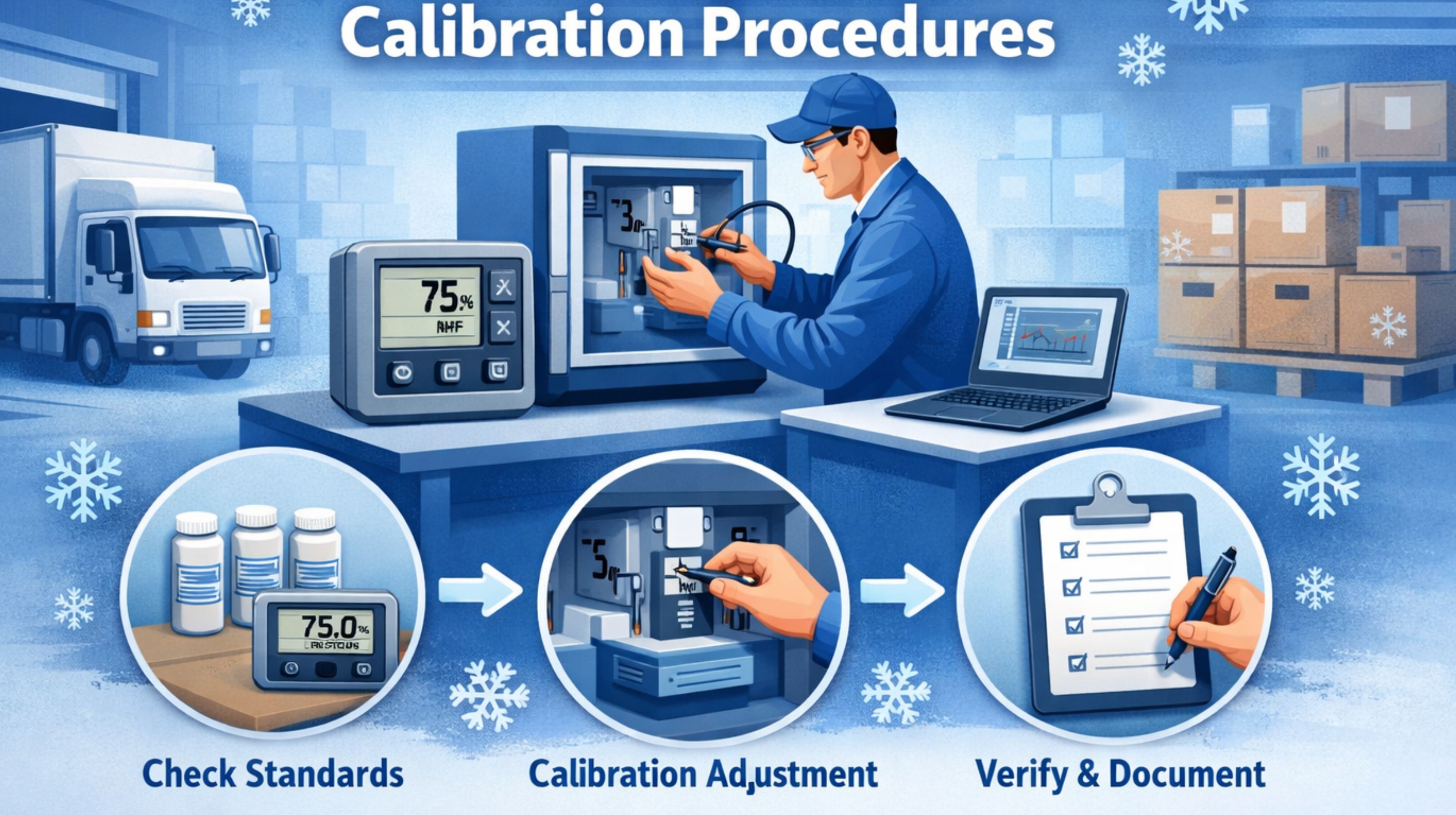
When to Calibrate Your Cold Chain Humidity Sensors (and When It's a Waste)
Calibrating humidity sensors in a freezer or refrigerated truck isn't about checking a compliance box. It's about catching drift before it silently invalidates your product stability data. Honestly, the real decision isn't *if* to calibrate, but how to schedule it so you find real problems without creating false ones.
What "Calibration" Actually Means in a Sub-Zero Warehouse
In practice, calibration here means verifying the sensor's reading against a known reference under the specific cold, saturated conditions it operates in. It's not a lab-bench test at room temperature. I've seen teams send sensors out for calibration, get a perfect certificate back, and then watch them fail within weeks back in the -20°C environment. The reason? The test conditions simply didn't match the real ones.
The Reality of Sensor Drift in High-Humidity Cold
Condensation is the silent killer. Most procedures focus on the sensor's accuracy point, but it's the constant cycle of condensation and freezing on the sensor probe that causes the slow, predictable drift. In reality, sensors in the coldest, wettest spots—like near door seals—will drift faster than those in more stable air. Your calibration schedule should reflect that uneven wear, not just a uniform calendar date.
The Common Calibration Mistake That Creates False Confidence
The biggest risk, in my experience, is calibrating with an unstable reference. Using a handheld meter that hasn't itself acclimated to the cold chamber for hours will give you a quick "pass" or "fail" that's completely misleading. The reference device *must* reach the same temperature and humidity equilibrium as the installed sensor. That process can take most of a workday, which most rushed procedures conveniently ignore.
Deciding Between On-Site Checks and Full External Calibration
Full external calibration makes sense for annual traceability audits or after a suspected impact. For routine assurance, on-site verification against a NIST-traceable reference sensor is often more practical—and more revealing. The trade-off is paperwork. On-site checks require meticulous records to satisfy auditors. If you can't document the reference standard's stability during the test, the check is pretty much worthless for compliance.
FAQ
How often should cold chain humidity sensors be calibrated?
There's no universal timeline. You have to base it on the sensor's criticality and environmental stress. A sensor monitoring a stability chamber for clinical trial material might need quarterly checks, while one in a less critical holding freezer might be fine on an annual schedule, with monthly spot verifications.
Can I use salt solutions for calibration in a cold room?
Technically yes, because they create a known relative humidity. Practically, it's very difficult. Achieving a stable humidity point with a salt slurry in a -20°C environment is slow and prone to error. Most professionals I know use a calibrated portable reference hygrometer instead.
What's the acceptable tolerance for these sensors?
Tolerance is dictated by your product's stability requirements, not a generic standard. A ±3% RH drift might be acceptable for some food products but catastrophic for hygroscopic pharmaceuticals. Your procedure has to define the action limits based on your own quality risk assessment.
What happens if a sensor fails calibration during a routine check?
You must have a pre-defined corrective action procedure. This includes assessing the impact on product stored since the last successful check, quarantining that product if necessary, replacing the sensor, and documenting the investigation. The calibration failure is a quality event, not just a maintenance task.


Comments
Post a Comment