What Happens When Your Construction Gear Gets Stolen
What Happens When Your Construction Gear Gets Stolen
That call comes in—a skid steer or generator just vanished overnight. Suddenly you're scrambling between police reports, insurance calls, and a stalled project. The promise of "tracking protocols" sounds like a lifeline, but honestly, the reality of recovery is way more complicated than just seeing a GPS dot on a map.
What "Recovery Tracking" Actually Means on a Job Site
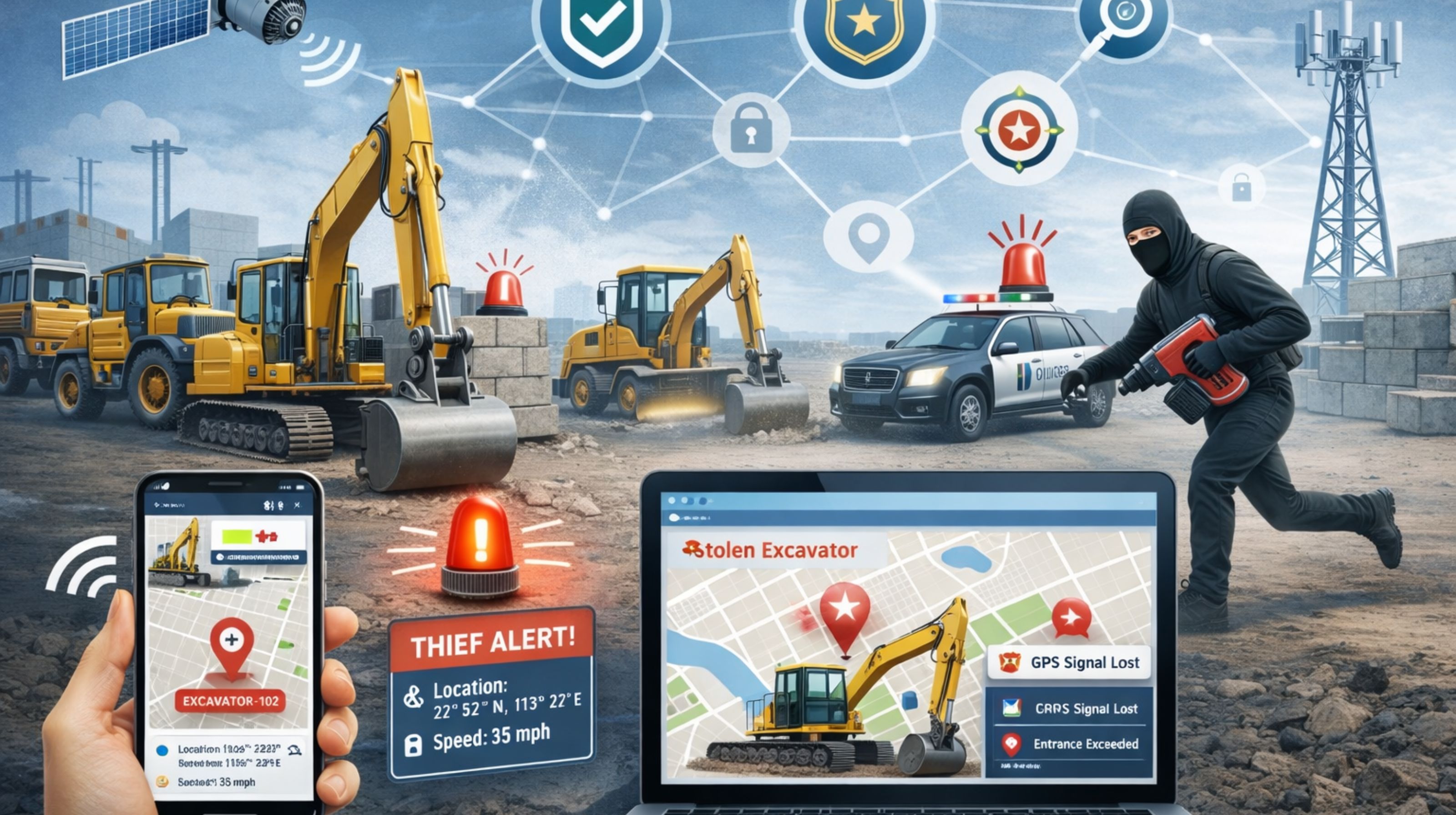
In practice, it's a layered system, not a single gadget. The protocol kicks in the moment an asset is marked missing, triggering a sequence that should involve GPS location data, immediate law enforcement notification with that evidence, and internal alerts to nearby crews. From what I've seen, the most effective setups treat the tracker not as a silent alarm, but as the central piece in a pre-written playbook that everyone from the foreman to the office manager actually knows.
The Reality of Getting Your Equipment Back
Even with a perfect ping on a map, recovery is rarely swift or simple. Police often can't act on a location alone without corroborating evidence or a warrant, which leads to those agonizing hours where you just watch your asset move in real-time. In a lot of cases, stolen equipment is quickly moved to a chop shop or storage container where GPS signals get blocked. That means the window for a clean recovery is shockingly narrow—often just the first few hours.
The Costly Mistake Most Companies Make
The biggest misunderstanding is treating tracking as a set-and-forget insurance policy. The real failure point is almost never the technology itself—it's the human protocol around it. Companies invest in tags but then have no clear chain of command for a theft alert, outdated contact info for local police, or trackers hidden in spots thieves learn to immediately find and discard. It creates a false sense of security that's arguably more dangerous than having no system at all.
When Tracking Protocols Are Worth the Investment
This system makes financial sense when you have high-value, high-theft-risk assets like mini excavators or light towers. It's less about the cost of the tracker itself and more about the cost of a project delay. But if your protocol is just slapping a visible GPS unit on a $500 air compressor, the recovery effort will likely cost more than the tool. It really hinges on your fleet's vulnerability and whether you have the operational discipline to maintain and act on the system daily.
FAQ
How quickly can you locate a stolen asset with GPS?
If the tracker is active and has a signal, you can locate it within minutes. The bottleneck is almost never the technology's speed, but the legal and logistical steps required to actually go and get it.
Do thieves know how to disable tracking devices?
Professional thieves absolutely do. They often target known hiding spots first or use signal jammers. The best protocols use hidden, hardwired units with backup batteries, but let's be real, even these have their limits.
What's the first thing I should do if an asset goes missing?
Immediately activate your recovery protocol—don't just call the police. That means securing the location data, notifying your internal security team or manager, and having all the asset's information (serial number, photos, proof of ownership) ready to go, all at once.
Can tracking data help with an insurance claim?
Yes, definitively. Providing concrete location data and a log of your recovery efforts significantly strengthens your claim and can speed things up. It moves the case from a "he said, she said" loss to a documented criminal event.


Comments
Post a Comment