What Happens When a School Bus SOS Button Is Pressed?
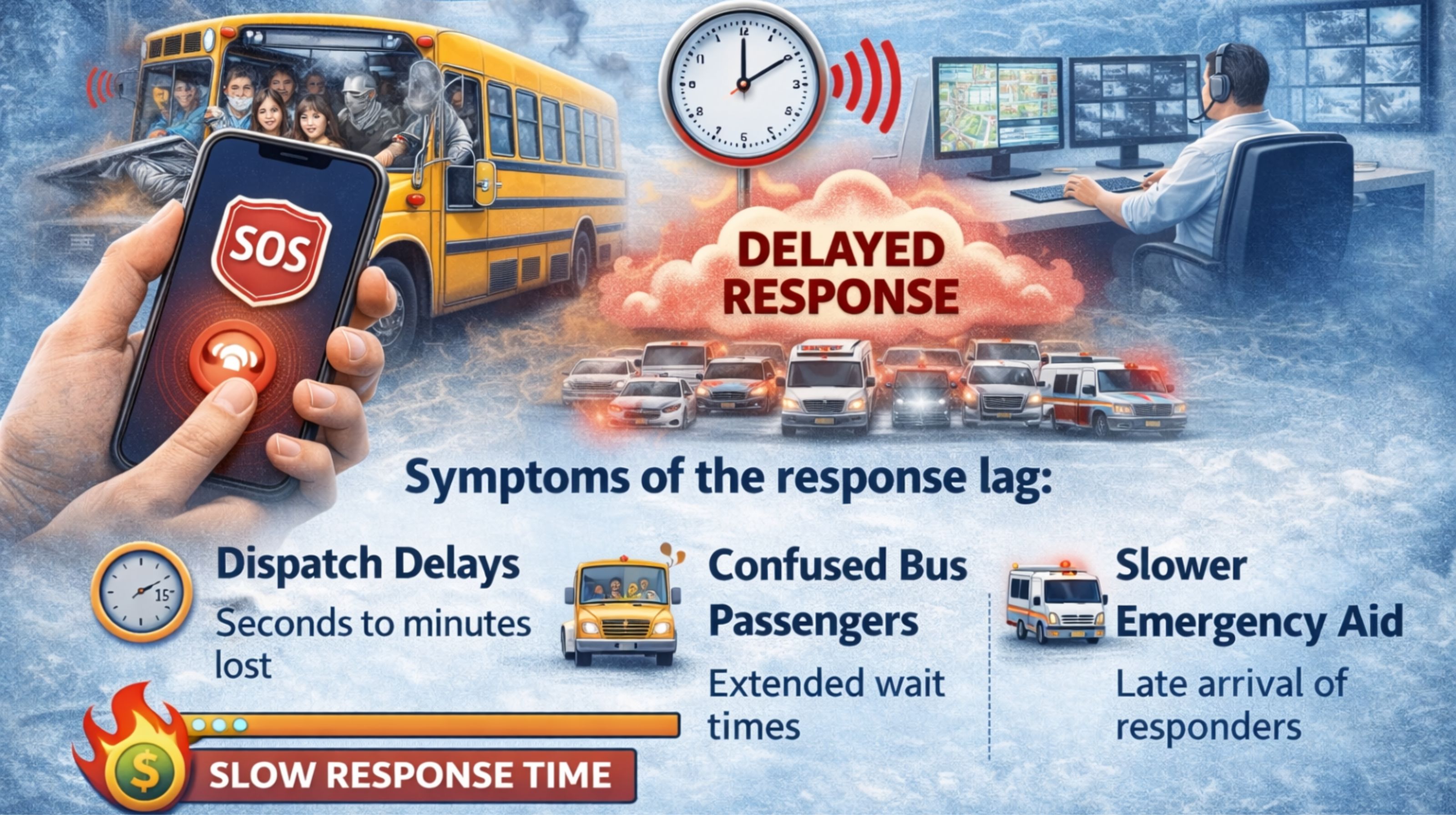
What Happens When a School Bus SOS Button Is Pressed?
You picture an immediate cavalry charge of police and ambulances. The reality, though, is a critical chain of events that most people don't fully get—and that creates a response lag every parent really should understand.
The SOS Signal's Journey Isn't Direct
Pressing that button usually sends an alert to a 24/7 monitoring center or the district transportation office, not straight to 911. From what I've seen, the dispatcher then has to verify it. That means calling the driver or checking camera feeds before they even think about contacting emergency services. Those are crucial minutes, right there.
The Reality of "Immediate" Response
Even once 911 is in the loop, the clock resets. Now you're on standard dispatch time. Sure, the bus's GPS location might be spot-on, but what's actually happening? A medical emergency? A breakdown? A security threat? That ambiguity is huge. It often forces first responders to stage nearby and approach with caution, not come barreling in with everything they've got.
The Critical Gap Most Plans Ignore
A lot of folks think the technology just magically eliminates delay. It doesn't. The biggest risk is what I'd call the "notification void"—that stretch of time between the alert going out and the driver or aide being able to tell the dispatcher what's *specifically* wrong. All while they're trying to manage a bus full of panicked kids. It's a detail most safety drills completely overlook.
When an SOS System Is Most and Least Effective
Look, the system makes perfect sense for clear, ongoing threats. Think a bus fire, or a driver who's incapacitated. But it's far less decisive for something like a student having a medical event. In that case, the driver might be much better off calling 911 directly while starting CPR. It's a real trade-off: following protocol versus taking the most pragmatic action in the moment.
FAQ
How long does it actually take for help to arrive after an SOS alert?
Based on real-world data from transportation departments, you're looking at an average gap of 7 to 12 minutes from button press to first responder on-scene in suburban areas. It varies wildly, though, depending on location and how clear the initial information is.
Can the driver just call 911 directly instead?
Absolutely. And in many urgent medical scenarios, that's actually faster. The SOS system is really designed for when the driver can't safely use a phone. But sometimes protocol mandates using the button anyway, which can create a delay.
What do parents see or hear during this lag?
Often, nothing at all at first. Unless the district has a specific parent notification system tied to the alert, most parents won't know anything's wrong until the bus is late. That's a communication layer that frequently fails when the pressure's on.
How can response time be realistically improved?
The most effective upgrade isn't fancier GPS. It's integrated systems that automatically start streaming live audio and video to the dispatcher the second the button is hit. That context is what cuts through the verification lag.


Comments
Post a Comment