What Cold Chain Sensor Integration Actually Does for Your Medical Shipments
What Cold Chain Sensor Integration Actually Does for Your Medical Shipments
If you're managing the transport of vaccines, biologics, or lab samples, you've definitely heard you need "sensor integration." Everyone says it's essential. But what it actually delivers—and the complexity it adds—usually gets glossed over. This isn't just about getting temperature data; it's really about deciding if the effort to connect that data into your systems is solving a real problem or just creating a new, expensive one.
Clarity: It's About Data Flow, Not Just the Sensor
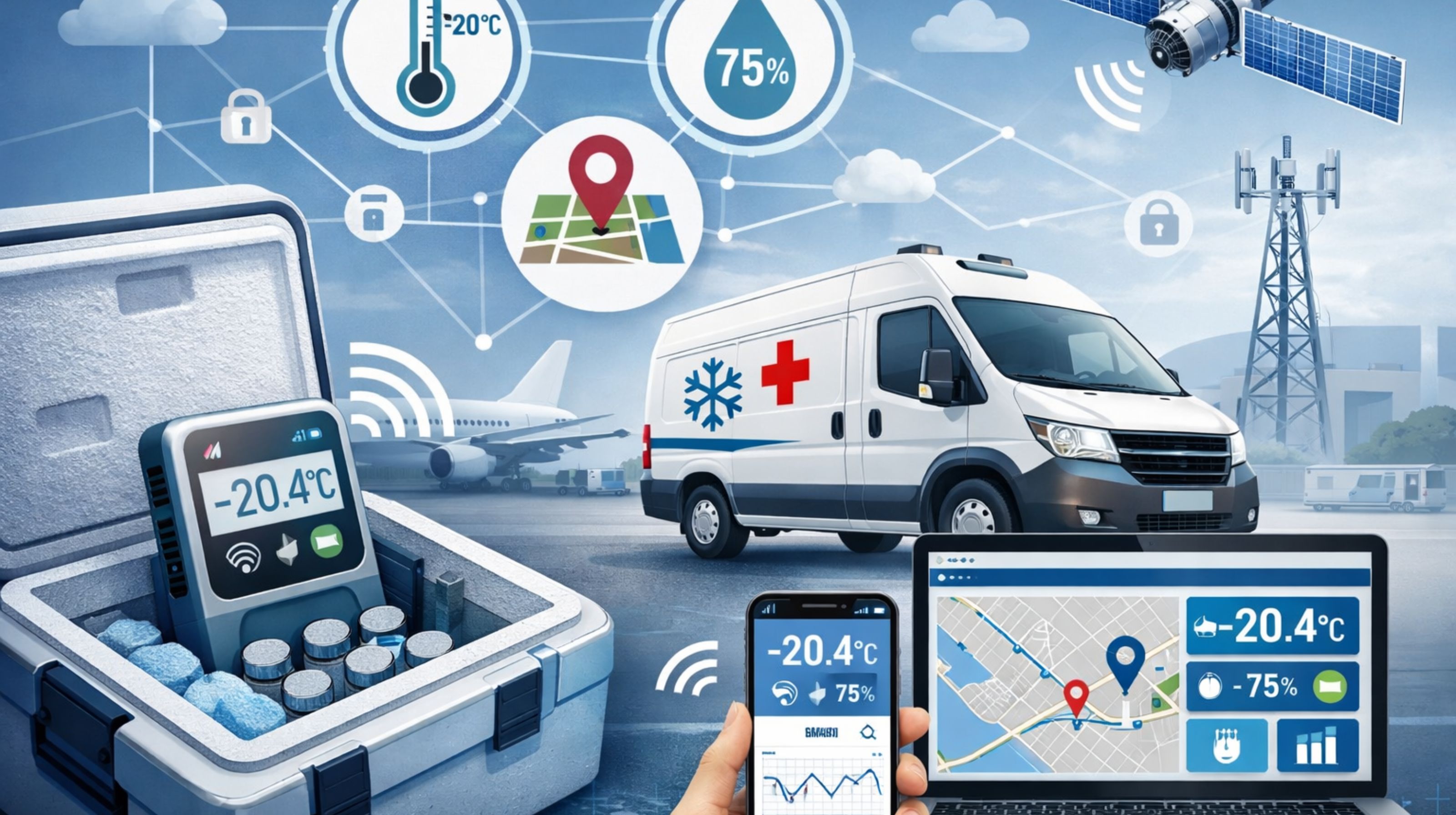
In practice, integration means the temperature and location data from the sensor automatically flows into your existing software—like a warehouse system or logistics dashboard. The real-world goal is to kill the manual downloads and spreadsheet work. I've watched teams waste hours collating PDF reports from different trips. Integration aims to make that data a live stream you can check, not another stack of documents to manage.
Reality Check: The Middleware and Manual Work
Here's what usually happens. That "seamless integration" promise requires a surprising amount of configuration, often involving some middleware platform or custom API work. The sensor talks to its own cloud portal, and then another piece of software has to bridge that portal to your system. And in a lot of setups, someone still has to manually initiate the shipment in the sensor software *and* match that ID in your transport log, which sort of defeats half the purpose. The promise of full automation is almost never the day-one reality.
Mistake: Assuming All Data is Actionable Data
A common, costly misunderstanding is believing that more integrated data automatically means better decisions. What happens instead? Teams get flooded with alerts for minor temperature excursions that don't even matter for the product's stability, which just leads to alert fatigue. The practical detail everyone ignores is setting intelligent, product-specific thresholds in the integrated system itself. Without that step, integration just helps you fail faster, not smarter.
Decision Help: When Integration Makes Sense vs. When It's Overkill
So when is it worth the cost and complexity? For high-value, long-duration, or regulatory-intensive transports where real-time intervention is both possible and necessary. Think cross-continental clinical trial shipments. For routine, short-haul trips of stable products? A simple Bluetooth logger with a post-trip report is often perfectly sufficient. The key limitation is this: integration adds zero value if your response to an alert during transit is, "Well, we'll check it when it gets here anyway."
FAQ
What's the biggest hidden cost in sensor integration?
It's rarely the sensors themselves. The ongoing cost is usually the data plan for cellular connectivity and the IT labor for maintaining the API connections and troubleshooting when the data flow breaks.
Can we integrate sensors without a major IT project?
Yes, but with trade-offs. Some platforms offer simpler CSV exports or dashboard embeds that need less IT involvement. But honestly, that's often just a glorified manual process and misses the core automation benefit.
How do we handle data from multiple sensor vendors?
This is a major pain point. You'll likely need a unified aggregation platform or just commit to one vendor's ecosystem. Trying to force different vendor data streams into one dashboard is where most integration projects get stuck.
Is real-time tracking always better than post-shipment verification?
Not always. For a lot of products, the stability data is only needed for the chain of custody paperwork. Real-time tracking only adds value if you actually have a contingency plan—like a backup storage site—to act on a live alert.


Comments
Post a Comment