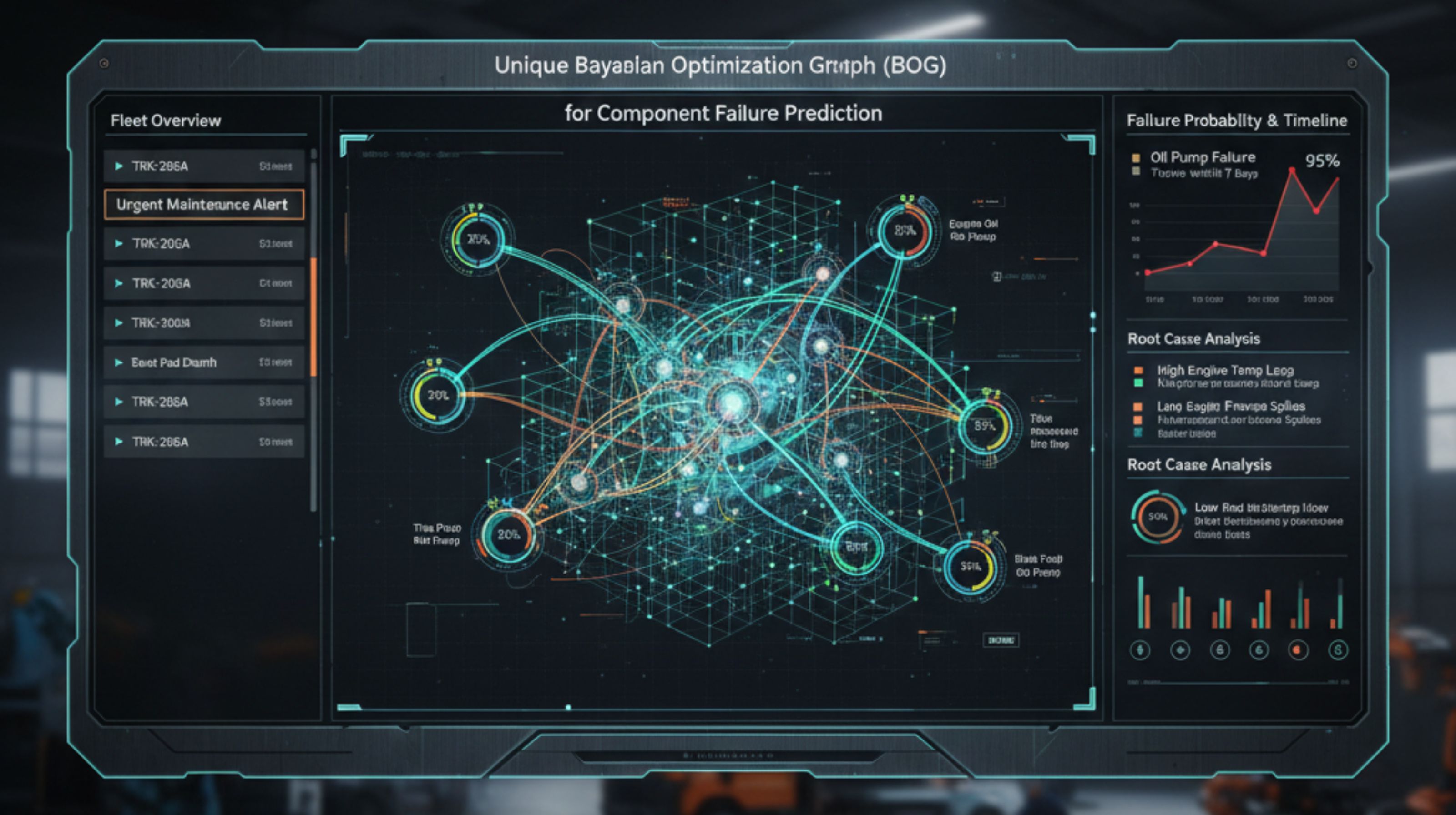
Lately, I’ve noticed a profound shift in how fleet managers approach their operations. It’s no longer about scrambling to fix what’s broken, but about an uncanny foresight that keeps things running smoothly. This change, I’ve come to understand, is largely thanks to predictive maintenance telematics. It’s like giving every vehicle its own little medical expert, constantly reporting on its health, long before a real crisis hits. What changed recently, it seems, is the accessibility and reliability of this technology, moving it from a theoretical concept to a tangible, everyday operational tool.I remember a time, not so long ago, when the phone call from a driver saying, "Sir, the truck just broke down near Nagpur," would send a shiver down my spine. The immediate cascade of problems: delayed deliveries, angry clients, the hunt for a mechanic in an unfamiliar area, the exorbitant towing charges, and the sheer unpredictability of it all. It wasn't just about the money; it was the intense stress, the feeling of being perpetually reactive, always on the back foot. We’d try to stick to strict service schedules, but even then, a sudden part failure, a worn-out belt, or an engine anomaly would throw everything into chaos. The memory of a driver stranded for nearly two days, waiting for a part to arrive from Delhi, still makes me wince. That was the old way, a constant guessing game with high stakes.Then came the conversations, initially skeptical, about systems that could somehow 'predict' trouble. "Impossible," I thought, "unless it’s crystal ball gazing." But after watching this happen more than once, where a competitor’s fleet seemed to navigate the same challenges with an almost eerie calm, I started digging. From what I’ve seen on the ground, the magic isn't magic at all; it's sophisticated data analysis. Sensors on critical components — the engine, the transmission, the brakes — are constantly relaying information. Temperature fluctuations, vibration patterns, fluid levels, error codes… all this data streams back to a central system. It felt like stepping into a different era, one where vehicles weren't just mechanical beasts but intelligent data hubs.The initial investment seemed daunting to some, a significant sum in rupees, especially for smaller operators who run just a handful of vehicles. There’s an assumption that this kind of sophisticated tech is only for the big players, the behemoths with endless budgets. But that’s a misconception that deserves to be challenged. What many overlook is the cumulative cost of breakdowns: the lost revenue from downtime, the penalty clauses in contracts, the overtime pay for scrambling staff, and the immense damage to reputation. When you truly factor in those hidden costs, the picture changes entirely. I realised it wasn’t an expense; it was an insurance policy, a strategic investment in continuity.The shift from reactive to proactive isn't just a buzzword; it’s a profound operational transformation. Instead of a frantic call about a sudden engine failure, we now get an alert: "Engine temperature trending upwards, slight vibration detected in axle 3, recommendation for inspection in the next 48 hours." This isn't just about avoiding a breakdown; it’s about scheduling maintenance during off-peak hours, ordering parts well in advance, and even understanding underlying issues that might not manifest as a critical failure for weeks. Based on how people actually use this, it’s not just about predicting failure, but optimising the entire life cycle of a component.A practical realization most blogs skip is that predictive maintenance telematics isn't a silver bullet in isolation. Its true power unfolds when integrated with intelligent route planning and even subtle driver behavior monitoring. For instance, if a system consistently flags excessive harsh braking or rapid acceleration, it’s not just about driver training; it’s also an early warning for brake pad wear that would otherwise go unnoticed until it becomes a dangerous problem. It’s about building a holistic picture of vehicle health and operational efficiency. The sensory impression of peace descending on the fleet management office, replacing the earlier tension, is palpable.The emotional impact on the team, particularly the drivers, has been profound. No more unexpected breakdowns on desolate highways. They feel safer, more supported, knowing that their vehicle is being constantly monitored, and potential issues are addressed before they become emergencies. This improved morale translates into better driving, fewer accidents, and a general sense of professionalism. The trust between the fleet manager and the drivers deepens, built on shared information and a common goal of safety and efficiency. It’s fascinating how technology, often seen as cold and impersonal, can foster such a human connection.I remember one instance, a delivery truck carrying perishable goods to a small town in Rajasthan. The predictive maintenance system flagged an anomaly in the refrigeration unit’s compressor. Not a failure, mind you, but a trend indicating an impending issue. We diverted the truck to a service centre just 50 kilometres away, where a minor repair was done within a couple of hours. No spoilt cargo, no missed deadline, no stressed-out driver. Just a smooth, almost unnoticeable intervention. It was then I truly understood the value, not just in terms of saving ₹50,000 on emergency repairs, but in preserving goodwill and ensuring operational continuity.The journey from perpetual panic to proactive poise has been remarkable. It’s a testament to how intelligent data, applied thoughtfully, can revolutionise an industry. What felt like an overwhelming problem of unpredictability has yielded to a sophisticated, yet strangely simple, solution. The initial skepticism has given way to genuine admiration for how these systems empower decision-making, transforming daily operations from a frantic fire-fight into a strategic game. It's truly eye-opening to see the relief ripple through the entire organisation when the unexpected becomes predictable.Moving forward, I see predictive maintenance telematics becoming an even more integrated part of every fleet’s DNA. It’s not just about maintenance anymore; it’s about operational intelligence, sustainability, and ultimately, peace of mind. The ability to anticipate, rather than merely react, changes everything. It’s a quiet revolution, but one that is steadily reshaping how we think about the very assets that keep our economy moving. The future, with this technology, looks less like a minefield and more like a carefully mapped out journey, allowing businesses to truly focus on growth rather than constant damage control.


Comments
Post a Comment