The Silent Mentor: How AI Dashcam Driver Coaching is Reshaping Fleet Safety
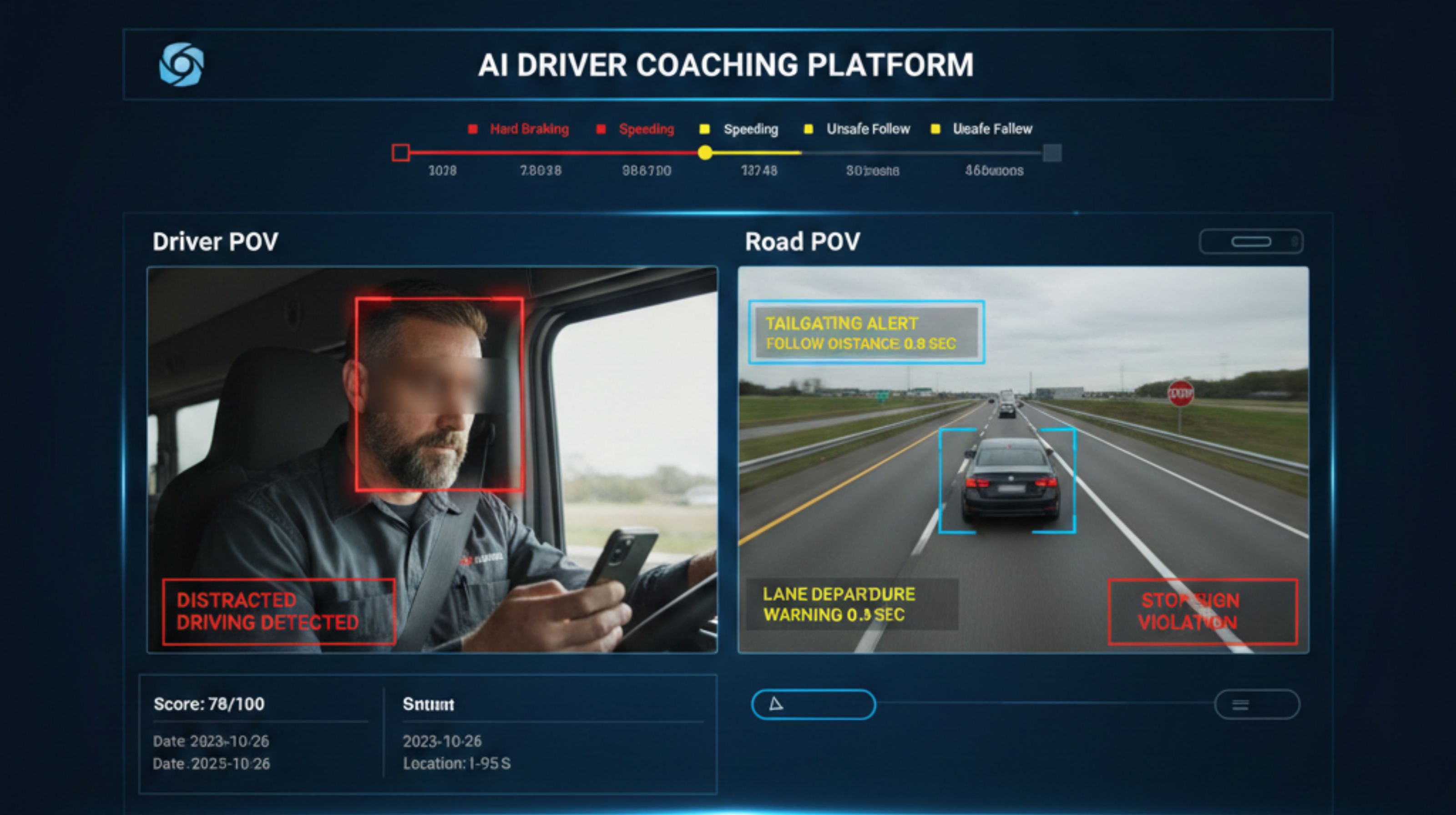
Lately, I've noticed a distinct shift in how fleet managers talk about safety. It’s not just about compliance anymore; there's a real hunger for proactive prevention. I remember a particularly hairy commute a few months back near Connaught Place – a sudden lane change, a blaring horn, and a knot in my stomach. That feeling of vulnerability, I think, is what drives a lot of the conversation around new tech. What's changed recently, undeniably, is the rise of AI dashcam driver coaching, turning those reactive moments into learning opportunities. This isn't just about recording incidents; it's about fundamentally reshaping driving habits, almost like having a silent, ever-present mentor. There’s a quiet revolution happening on our highways, subtly making every journey a bit safer. The promise is profound, moving beyond mere incident recording to genuine, continuous improvement.
I recall a conversation with a seasoned driver, someone who'd navigated the Mumbai-Pune Expressway for decades. He was initially skeptical, even a bit defensive, about the idea of a camera watching his every move. His exact words were, "Am I being spied on, or am I being helped?" It was a valid question, echoing an assumption many make: that monitoring inherently implies mistrust. But what I’ve seen on the ground, watching these systems roll out, is that the narrative quickly shifts. When drivers understand that the AI isn't there to catch them out, but to offer objective data for their own professional growth and safety, their resistance melts away. It's not about big brother; it's about getting real-time, unbiased feedback that a human co-driver simply cannot provide, especially when it comes to subtle habits like consistent following distance or gentle braking.
The beauty of AI dashcam driver coaching isn't just in flagging risky maneuvers; it's in its ability to pinpoint positive behaviors too. Most traditional coaching models focus on errors, on what went wrong. But after watching this happen more than once, I’ve realized the power of positive reinforcement through data. Imagine a driver who has consistently maintained perfect lane discipline and smooth acceleration for weeks. The AI can highlight this, providing concrete examples of their excellent performance. This overlooked angle – celebrating competence, not just correcting faults – fundamentally changes the driver's relationship with the technology. It transforms a potential source of anxiety into a tool for self-mastery and recognition. That sense of accomplishment, supported by verifiable data, is incredibly motivating.
There was this one time, a delivery fleet manager called me, almost exasperated. Their insurance premiums were climbing, and accident rates, while not catastrophic, were stubbornly stagnant. He’d tried everything – workshops, refresher courses, even incentives. The problem, he confided, was that human observation is inherently limited. You can’t be in every truck, every minute. The sheer scale of human error, the small unconscious habits that compound over thousands of kilometers, felt insurmountable. The moment they introduced the AI dashcam system, he saw things he’d never known. Not just harsh braking, but the subtle, almost imperceptible moments of distraction, the slight drifts, the delayed reactions that preceded bigger events. It was like suddenly being able to see the invisible threads of risk that ran through their operations.
The practical realization most blogs skip is that implementing this isn't just about buying hardware and software. It's about carefully integrating the data into a human-centric coaching workflow. The AI provides the 'what,' but the 'how' – how you communicate that feedback, how you structure a brief, supportive conversation with a driver, how you celebrate improvements – that's where the real magic happens. It’s about building trust, using the data as a neutral starting point for a dialogue about skill enhancement, rather than a punitive report card. This requires training for managers, not just drivers, in empathetic communication and data interpretation. It’s a shift from being a 'boss' to being a 'coach,' armed with incredibly precise information.
I remember one young driver, new to the job, really struggling with aggressive cornering. He didn’t even realize he was doing it, his perception skewed by years of driving smaller, lighter vehicles. The AI consistently flagged it. Initially, he was defensive. "That's just how you take corners!" he’d declared, a slight flush on his face. But after his manager showed him the actual video clips, alongside the telemetry data showing the G-forces, he had an 'aha!' moment. It wasn't about blame; it was about undeniable evidence, presented without judgment. He saw the potential impact on his cargo, on his tires, on the safety of others. That objective reality check, delivered respectfully, allowed him to self-correct in a way no amount of 'be careful' advice ever could. He felt a moment of genuine vulnerability, followed by a fierce determination to improve.
Based on how people actually use this technology, the biggest win isn't just about preventing major accidents; it's about reducing the countless minor incidents and near-misses that erode driver confidence and operational efficiency. Think about the cumulative wear and tear on vehicles from consistently harsh braking or accelerating. Think about the fuel wastage. These little things add up to significant costs and stress. The AI system offers a chance to refine driving to an optimal level, promoting smoother, safer, and more economical performance. It’s about building a culture where every drive is a masterclass in precision and foresight, where the stress of the road gives way to a sense of calm control.
The relief you see on a fleet manager's face when their accident rates start to trend downwards, when their insurance premiums stabilize, is palpable. But the deeper satisfaction comes from seeing their drivers, once resistant, become proponents of the system. They start sharing their own improvement stats, challenging each other to achieve higher safety scores. It transforms an individual responsibility into a collective pursuit of excellence. The silent observer becomes a valuable partner. In the end, AI dashcam driver coaching isn't just about technology; it's about fostering a safer, more efficient, and ultimately more human-centered driving environment for everyone on the road. It brings a profound sense of peace of mind, knowing that every kilometer is being driven with an invisible hand guiding towards greater safety.


Comments
Post a Comment