The Quiet Revolution of In-Cabin Monitoring Systems: Beyond Compliance
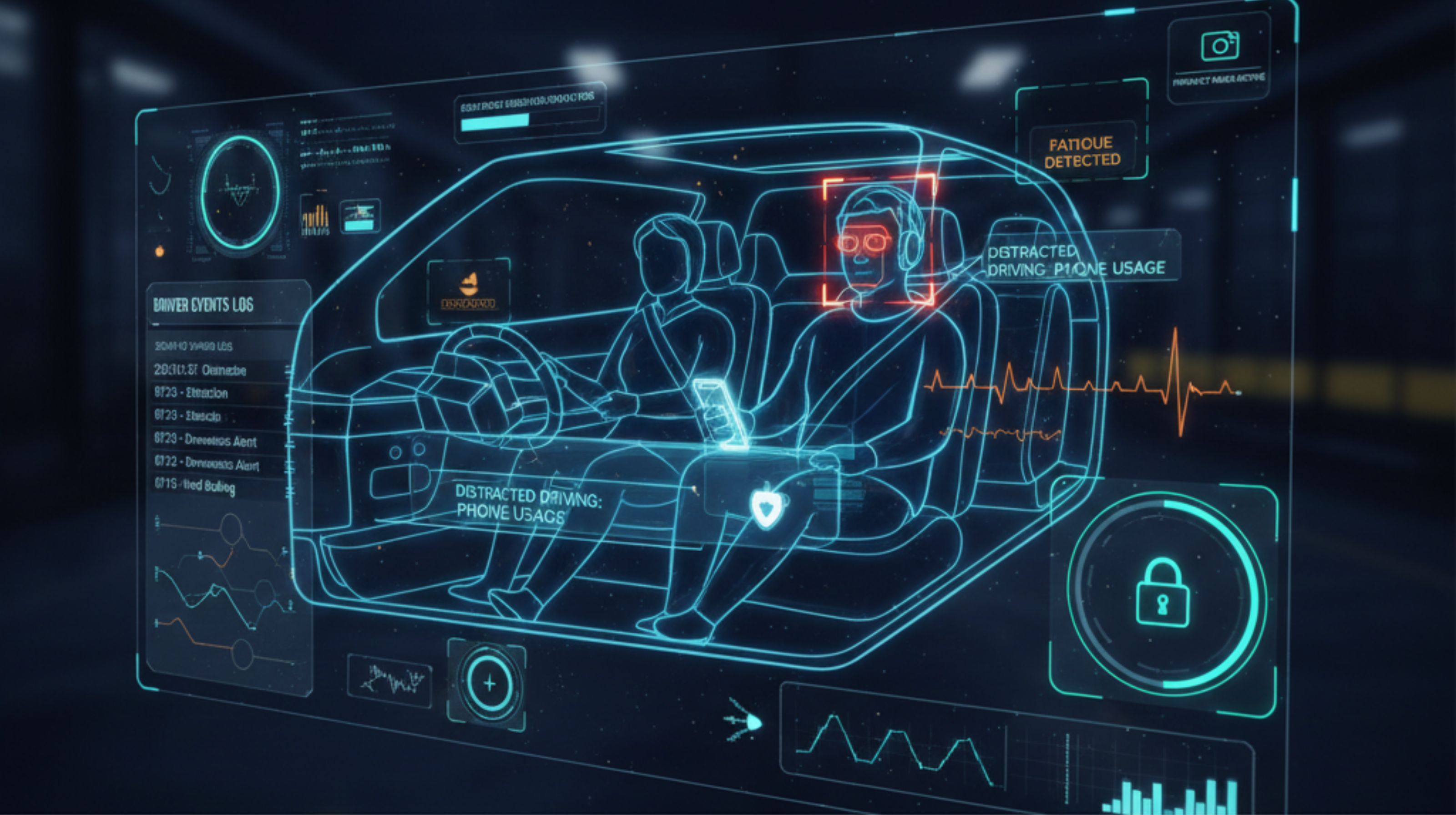
Lately, I’ve noticed a subtle but profound shift in how we talk about vehicle safety, especially within the logistics and transport sectors. It's no longer just about external sensors or advanced braking; the conversation has moved inside the vehicle, focusing intensely on the person behind the wheel. What changed recently, I think, is a collective realization that technology can be a compassionate co-pilot, not just a watchful eye. This evolution brings us squarely to the doorstep of the in cabin monitoring system, a piece of tech I once viewed with a healthy dose of skepticism, now with a quiet appreciation.
I remember a conversation with a seasoned fleet manager in Mumbai, his face etched with the weariness of constant worry. He recounted sleepless nights, his mind replaying hypothetical scenarios: a driver drifting off on a long haul through Rajasthan, a momentary lapse of attention leading to tragedy in peak Bengaluru traffic. The sheer weight of responsibility, knowing human error, fatigue, and distraction were constant, insidious threats, was almost palpable. It’s a feeling many of us can relate to, whether we're managing a fleet or simply worried about a loved one on the road. The hum of the highway could lull anyone, and the constant digital demands of our lives make true focus a vanishing luxury.
From what I’ve seen on the ground, the initial resistance to any form of 'monitoring' often stemmed from an assumption that it was punitive, a tool to catch employees doing wrong. This is an assumption that deserves to be challenged. What became clear, after watching this happen more than once, is that the most effective implementations of an in cabin monitoring system aren't about blame. They're about proactive care. Imagine a driver, perhaps halfway through a particularly grueling night shift, feeling the familiar drag of heavy eyelids. Before they even fully register the danger, a gentle audio alert or a vibration might stir them back to full awareness. It’s not a scolding; it’s a saving grace.
The overlooked angle here, one that competitors often miss, is the profound impact on driver well-being and morale. Most blogs focus on regulation or accident reduction, which are valid, but they often skip the human element. For a driver, knowing there's a system subtly working to prevent errors, to offer an early warning, actually reduces stress. It’s not just about what the manager sees; it's about the driver feeling supported. I recall a driver, after initially grumbling about the 'big brother' aspect, later admitting that the system had nudged him awake during a particularly monotonous stretch, preventing what could have been a serious incident. His relief was tangible, a quiet nod of gratitude towards the unseen guardian.
The practical realization most blogs skip is that this technology isn't just about detecting a single moment of distraction or fatigue. It's about collecting data that can fundamentally transform coaching and training. Think about it: instead of generic safety briefings, managers can now provide targeted feedback based on real-world driving patterns. If a driver consistently shows signs of drowsiness at a certain time of day, perhaps their shift patterns need adjusting. If mobile phone use is an issue, specific training or reminders can be implemented. It moves from reactive punishment to proactive, personalized improvement, fostering a culture of safety that feels collaborative rather than adversarial. This data can even exonerate a driver in an accident, providing an impartial record of their attentiveness when disputes arise.
My own inner thoughts on this evolved. I used to wonder if we were just adding another layer of complexity, another digital intrusion into an already demanding job. But then I saw the results: fewer near-misses, a noticeable drop in minor incidents, and perhaps most importantly, drivers who felt genuinely safer, knowing there was an invisible safety net. The investment, often around ₹50,000 to ₹1,50,000 per vehicle depending on features, suddenly seemed less like an expense and more like an essential insurance policy for both human lives and valuable assets.
There was this moment when I was observing a demo of one such system. The subtle beep, the gentle nudge of a voice reminding the 'driver' (an employee demonstrating) to keep their eyes on the road. It wasn't harsh or alarming; it was designed to be subtle, a soft intervention. It felt less like surveillance and more like a dedicated, unblinking assistant whose sole purpose was safety. The technology uses advanced AI and vision systems to monitor head position, eye closure, gaze direction, and even detect smartphone usage. It’s incredibly sophisticated, translating complex data into simple, actionable alerts.
The emotional arc for many involved in adopting this technology often starts with apprehension. The fear of the unknown, the concern about privacy, the potential for misuse. But it quickly moves to a realization that the benefits, when implemented thoughtfully, far outweigh these initial concerns. The shift towards understanding that an in cabin monitoring system is a tool for empowerment rather than control is critical. It empowers drivers to be safer, managers to make better decisions, and companies to build a stronger safety culture. It gives everyone a collective sigh of relief, knowing that an extra layer of protection is always active.
Ultimately, the quiet revolution of the in cabin monitoring system isn’t just about regulatory compliance or preventing accidents. It’s about elevating human capability, mitigating our inherent frailties with smart technology, and creating a driving environment where everyone feels more secure. It’s a testament to how technology, when wielded with purpose and empathy, can genuinely enhance safety and peace of mind on our roads, ensuring that the journey is as safe as the destination.


Comments
Post a Comment