Should Your School District Use Live Bus Tracking for Parents?
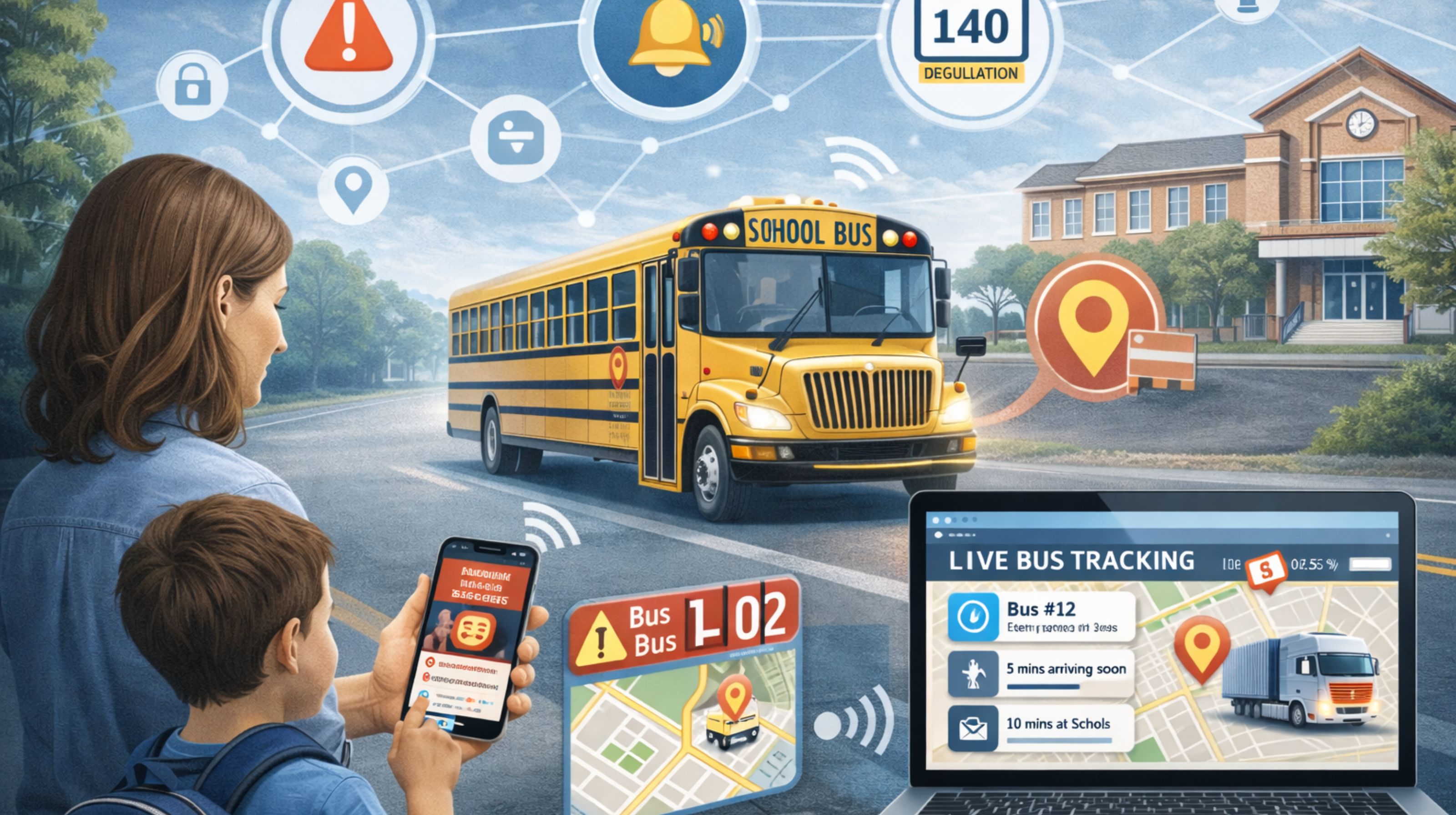
Should Your School District Use Live Bus Tracking for Parents?
Lots of districts are looking at live bus tracking to calm parents down, which makes sense. But that promise of real-time updates? It bumps right into some pretty stubborn operational realities and strict rules—like that "140" standard everyone talks about. And those rules aren't always what people think they are.
What Live Location Sharing Actually Means for Parents
Let's be clear: this isn't a live video feed or a precise Google Maps pin for your kid. What you usually get is a secure app or website showing the bus trundling along its route, often with a delay of a few minutes. The real, practical goal here is pretty simple: cut down on the flood of "where's the bus?" calls to the transportation office, especially on bad weather days or when there's an early dismissal.
The Reality of Implementing a Tracking System
Here's what happens. For most districts, the tech part—the GPS units, the software, the data plans—is actually the straightforward bit. The real work is managing what parents expect and getting drivers up to speed. I've seen systems barely get used because parents never really learned how to log into the app, or because a driver's unscheduled stop throws the estimated arrival times completely off. The tech works, but the human system around it has to work too.
The Common Misunderstanding Around "140 Compliance"
A lot of folks hear "140 compliance" and assume it's some federal mandate for bus tracking. It's not. More often, it's just shorthand—maybe for an internal district policy, or it's referencing a state statute number, like California's Vehicle Code 140 about transportation safety. The actual compliance risk isn't about failing to track. It's about promising real-time data you can't actually deliver consistently, or getting the security claims for the system wrong.
When Live Tracking Makes Sense (And When It's Overkill)
This is a tool that really pays off in big districts with complicated routes, or for reaching parents of younger, more anxious students. For a small, walkable district where the buses are almost never late? It can feel like overkill. The trade-off is real: you get this layer of perceived transparency, but you're also signing up for non-stop tech support and the headache of managing data privacy. And that privacy piece? It ties directly into those bigger FERPA-adjacent worries about tracking student location data.
FAQ
Is live bus tracking legally required for schools?
No, there's no federal law that says you have to do it. Some states have laws that encourage it or call for studies, but usually it's a local district choice, based on their budget and what the community is asking for.
How accurate is the location data parents see?
It depends on the GPS signal and how often it updates. In cities with tall buildings or out in thick woods, the location can lag or even jump around. Most systems are good within a few hundred feet—don't expect it to pinpoint your exact driveway.
What do schools do with the tracking data?
Besides the parent app, transportation directors use it to optimize routes, look at driver efficiency, and check out reports of specific incidents. Honestly, this behind-the-scenes use often ends up being more valuable than the parent-facing feature.
Can parents track the bus without a smartphone?
This is a big accessibility issue that often gets missed. The better setups will also have a phone-in automated line or a simple website view, but the main interface is usually a mobile app. That can unintentionally leave some families out.


Comments
Post a Comment