Is Remote Engine Immobilization Worth It for High-Value Shipments?
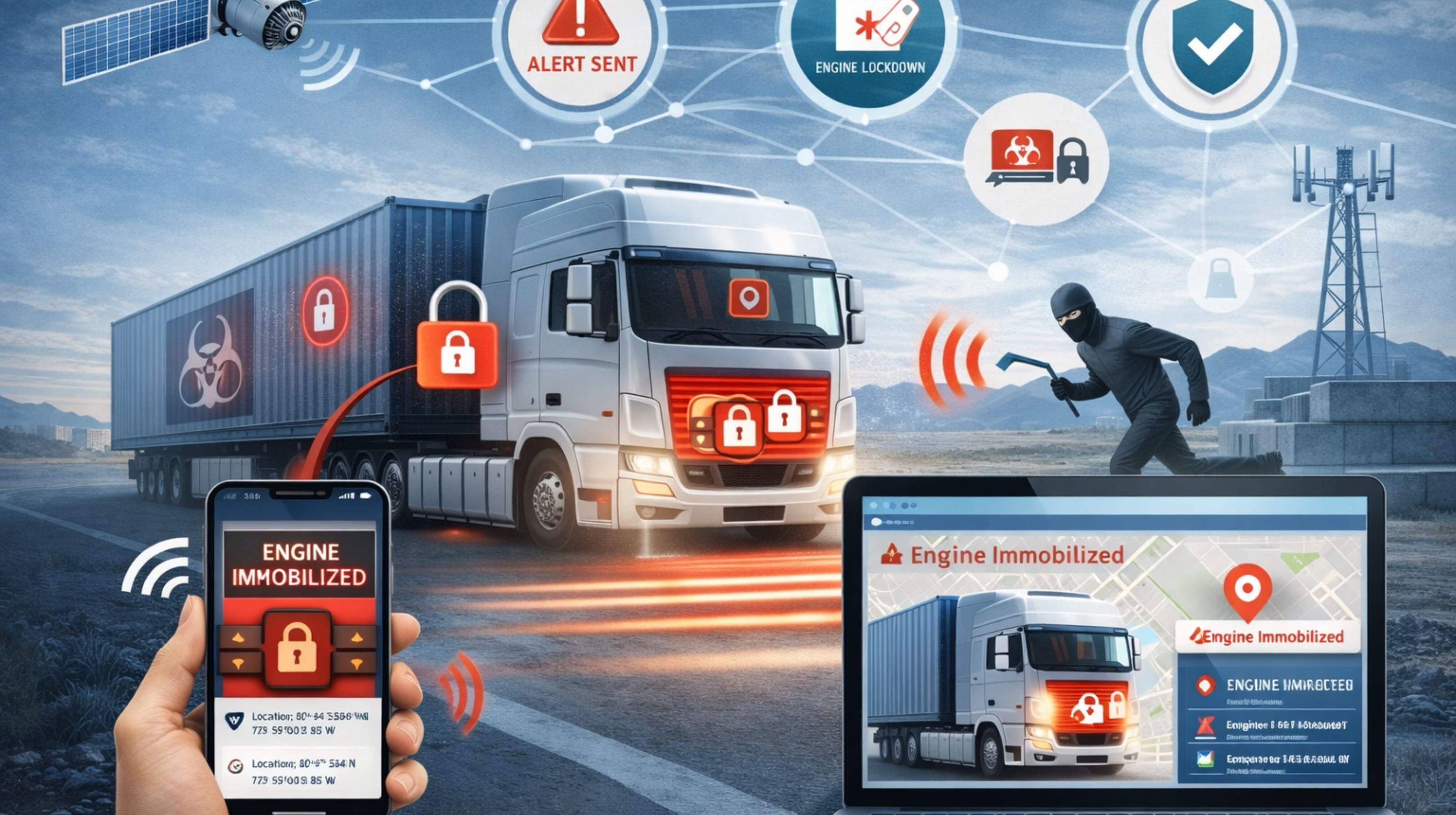
Is Remote Engine Immobilization Worth It for High-Value Shipments?
When a load is worth more than the truck hauling it, the idea of stopping it with a button from miles away is incredibly compelling. But the real question isn't about the technology itself—it's whether it actually solves the problems you'll face on the road.
What Remote Immobilization Actually Means for a Driver
In practice, this isn't a movie-style "kill switch" that grinds the truck to a screeching halt. Modern systems usually work by cutting fuel or disabling the starter, which means the engine won't restart once it's off. That leads to a critical point: the feature is most effective when the vehicle is already stopped, not as a way to halt a hijacking while it's happening.
The Reality of How These Systems Are Used
Most security managers I talk to end up using immobilization in two main scenarios: when a driver misses a scheduled check-in, or when a truck is reported stolen after being left alone. The system becomes a tool for containment and recovery, not active interception. Honestly, the delay between an incident and getting the authorization to immobilize is often what decides if the cargo is recovered at all.
The Common Misunderstanding About "Real-Time" Control
A major risk is leaning too hard on the tech as a magic bullet. The biggest mistake is assuming it gives you constant, fail-safe control. In reality, signal dead zones, tracking devices that get powered down, or thieves using jammers can make that remote command useless. I've seen situations where security teams had a perfect location signal, but the command to immobilize just never reached the truck's computer.
When This Security Layer Makes Financial Sense
It makes sense if you've got predictable routes with decent cellular coverage, and your cargo is high-value but not so time-sensitive that a recovery delay ruins it. It doesn't make sense as your only security measure for perishable goods, or in areas with serious organized theft, where hijackers often transfer cargo to another vehicle in minutes, leaving the immobilized truck behind.
FAQ
Can remote immobilization stop a moving truck?
Generally, no. Most systems are designed for safety and prevent the engine from restarting. Trying to cut power to a moving rig is dangerous and a huge liability.
How do thieves typically bypass these systems?
They often find and disable the GPS or telematics unit first, which also kills the remote command channel. In more planned operations, they might use Faraday bags to block signals or quickly re-power the truck's systems from an external source.
Does it lower insurance premiums?
It can, but insurers are increasingly looking for a layered approach. Immobilization alone might not cut it; they often want to see verified tracking, driver panic buttons, and geofenced alerts to qualify for the best rates.
What's the one detail most companies ignore when installing?
The placement of the device. If it's installed in the obvious, manufacturer-recommended spot, it's the first thing a pro will look for and disconnect. The installs that actually work are hidden and wired into other vehicle electronics.


Comments
Post a Comment