How to Optimize School Bus Route Deviation Alerts for Parents
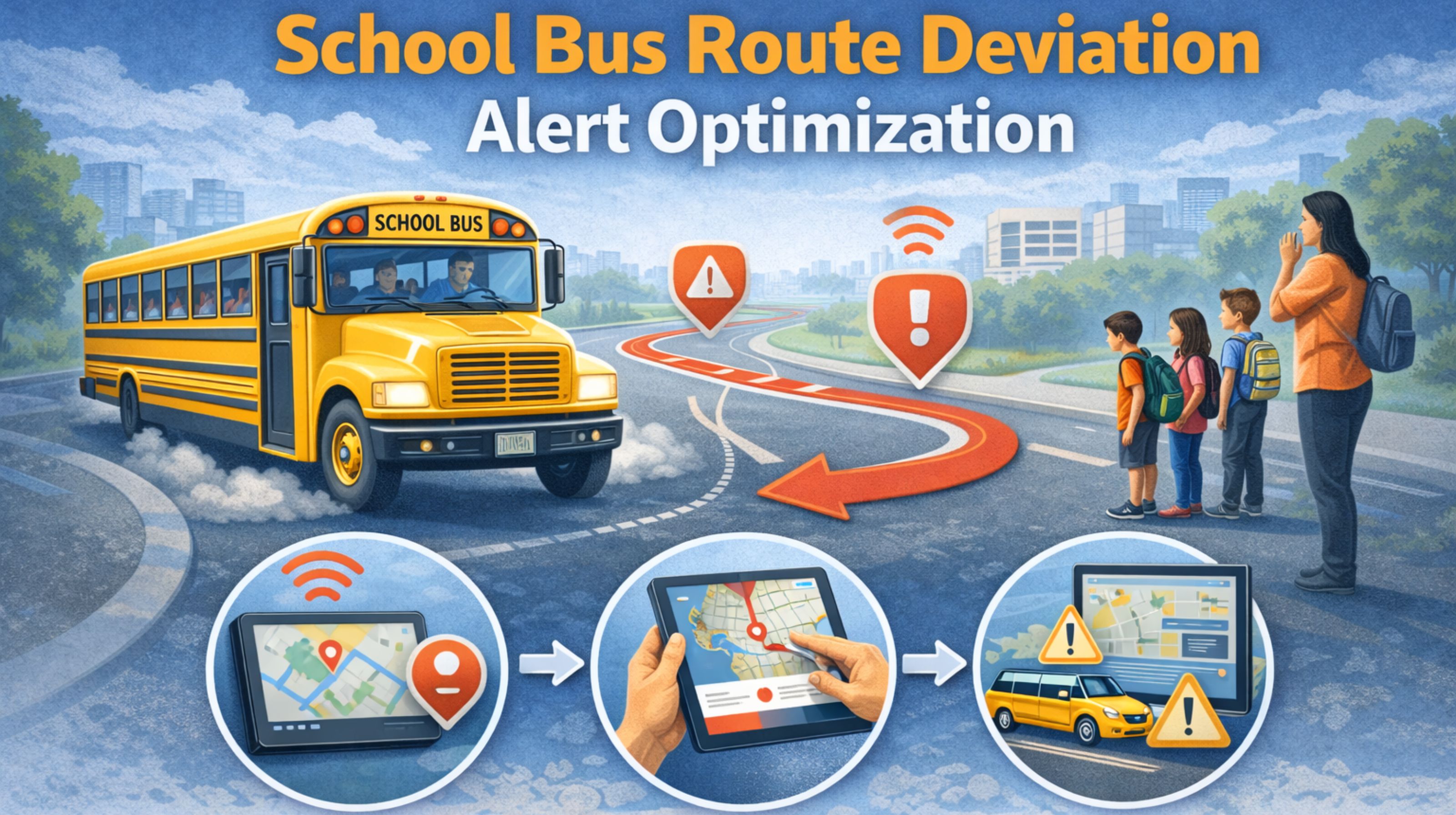
How to Optimize School Bus Route Deviation Alerts for Parents
When a bus is running late or taking a detour, a poorly managed alert doesn't just fail to inform—it actively causes panic. You end up with parents scrambling for information that should, frankly, be simple to get.
What a Route Deviation Alert Actually Means
In practice, a deviation alert isn't just a "bus is late" notification. It's a specific, actionable update about a change to the planned stop sequence, timing, or road path that directly impacts which kids get on or off and when. I've worked with districts where "deviation" gets used for everything from a five-minute delay to a complete route reroute, which just dilutes urgency and erodes trust in the whole system.
The Reality of Sending These Alerts
Most alerts get triggered by the driver or dispatcher, sure. But the real bottleneck is usually in the approval and sending chain. There's this critical—and often ignored—gap between the driver knowing they're off-route and the parent finally getting a coherent message. And in that gap, kids might already be standing at the wrong stop.
The Common Mistake: Over-Alerting and Under-Informing
The biggest risk here is conditioning parents to ignore your notifications. You do that by sending too many low-importance alerts, or by using vague, unhelpful language like "Bus 12 is delayed." Parents aren't dumb. They quickly learn that message tells them nothing about whether *their* child is affected, so they start to disregard future messages, even the genuinely critical ones.
When to Send an Alert vs. When to Just Update the Tracker
Optimization really means reserving push alerts for deviations that change the *pick-up or drop-off* plan. A slow roll because of traffic? That might just be a live map update. An alert should fire for something like a missed street, a mechanical breakdown at a stop, or a last-minute substitute driver on an unfamiliar route. The trade-off is pretty clear: overuse breeds complacency, but underuse creates real safety issues and a flood of frantic phone calls to the school.
FAQ
What's the best channel for sending deviation alerts?
You should use a multi-channel approach, but prioritize SMS or text for immediate, must-see deviations. Email and app notifications can be missed too easily. Having a solid backup channel is crucial.
How specific should the alert message be?
Be extremely specific. Don't send "Bus 5 is delayed." Send something like: "Bus 5 (Ms. Smith) is rerouting around Main St. It will service Elm St. stops 15 minutes late. Afternoon drop-off will proceed as normal."
Who should have the authority to send an alert?
This needs to be a limited, trained group—typically the transportation dispatcher. Empowering every single driver can lead to inconsistent messaging, but the system absolutely has to allow for rapid initiation from the driver's seat, with dispatcher oversight.
How do you handle alerts for recurring but unpredictable issues?
For chronic trouble spots, the smart move is to create pre-approved, templated alert messages. That way drivers or dispatchers can send a clear, consistent message with one tap. It speeds everything up while maintaining clarity across different incidents.


Comments
Post a Comment