How to Figure Out What Idle Equipment Is Actually Costing You
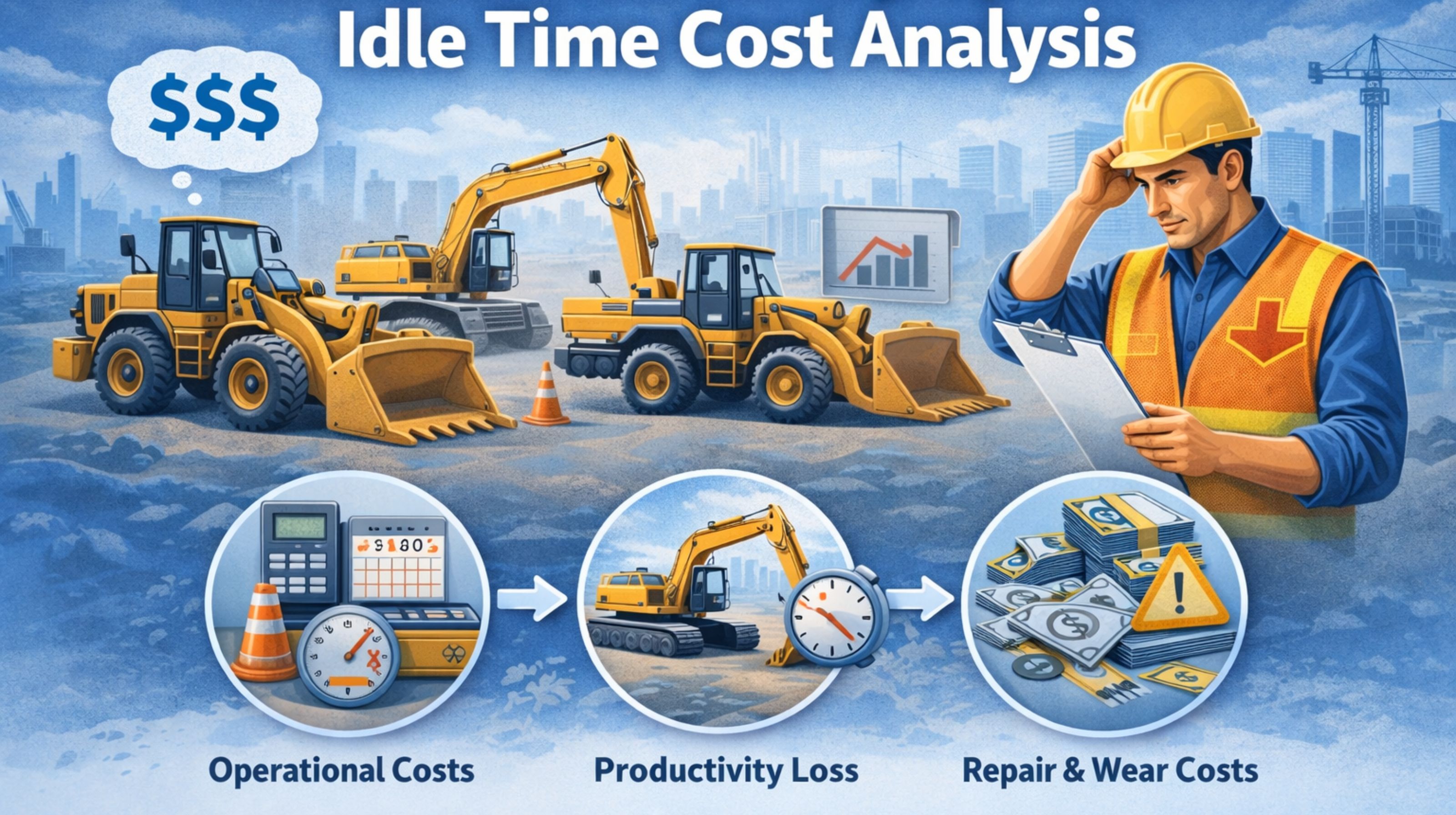
How to Figure Out What Idle Equipment Is Actually Costing You
You see the machines sitting still, and you know it's money leaking away. But putting a real number on it? That's the hard part.
Idle Cost Isn't Just Fuel
In practice, idle cost analysis means adding up the depreciation, financing, insurance, and scheduled maintenance. All that stuff ticks away 24/7, whether the machine is digging or just parked.
What Most Companies Actually Track
Most outfits only look at fuel burn during idle, which is a fraction of the real expense. They often ignore the simple fact that a financed excavator's monthly payment is due no matter what its utilization rate is.
The Big Mistake in Idle Calculations
The common error is using a flat hourly rate for everything. But a newer, financed skid-steer has a much higher fixed cost per idle hour than an older, paid-off loader sitting in the same yard.
When a Deep Analysis Makes Financial Sense
This detailed breakdown is crucial if you're deciding to rent versus own, or if your idle rates are consistently above 20%. For a small fleet of owned, depreciated assets, though, a simpler check might be all you need.
FAQ
What is a typical idle time percentage in construction?
It's not unusual to see 20-30% on many sites, but that includes necessary moves and short waits. Chronic idle over 30%? That often points to deeper scheduling or maintenance issues.
How do you calculate cost per idle hour?
Add up all your annual fixed costs—depreciation, interest, insurance, taxes. Divide that by the total hours in a year. Then you apply that rate to your measured idle hours.
Does telematics data give an accurate idle cost?
Telematics gives you the precise idle hours, which is gold. But you still have to build the correct cost model to apply to that data. The tech doesn't do the accounting for you.
When is idle time not a bad thing?
A short, warm-up idle is necessary. The real cost villain is extended, unproductive idling. Think of a crew break where the machine is left running for no good operational reason.


Comments
Post a Comment