Fleet Dashcam Driver Fatigue Sensor Calibration Guide
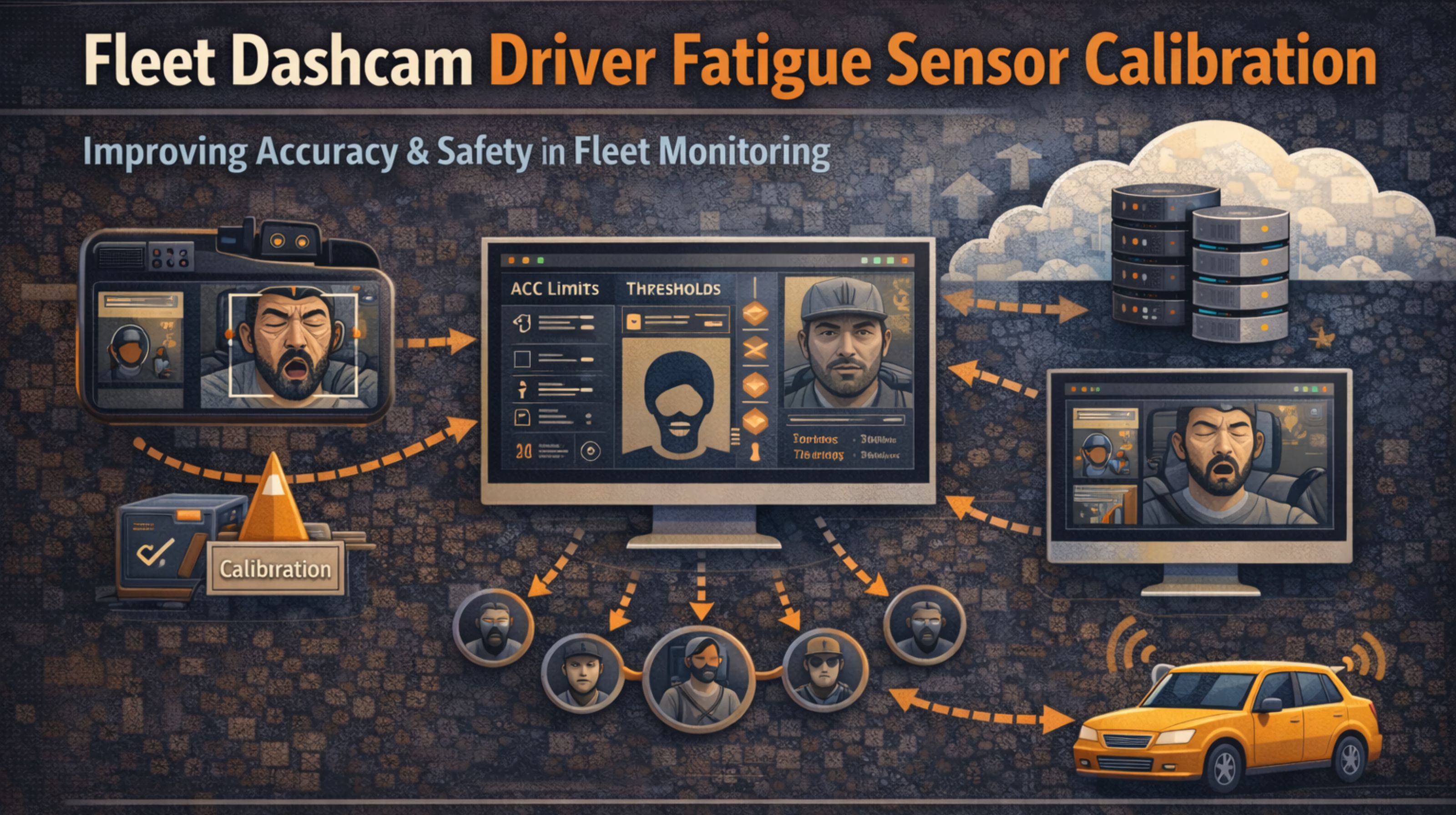
Fleet Dashcam Driver Fatigue Sensor Calibration Guide
Calibrating the driver fatigue sensor in your fleet dashcams isn't just another box to tick—it's a critical maintenance task. Getting it right means the system's camera and infrared sensors can accurately monitor a driver's alertness. And that directly affects how reliable those drowsiness and distraction alerts really are.
Understanding Driver Fatigue Sensor Technology
Today's fleet dashcams rely on infrared cameras and some pretty smart algorithms to track things like head position, eyelid closure, and even yawning. But these systems need a precise setup from the start, plus a periodic check-in, to work as intended. The key is making sure the sensor has a clear, unobstructed view of the driver's face.
Step-by-Step Calibration Procedure
Start by parking the vehicle somewhere with good lighting. You'll usually access the dashcam's calibration menu through its mobile app or a web portal. Just follow the on-screen instructions, which normally ask the driver to sit up straight and look ahead. The system will then snap a few reference images to figure out what a normal, alert driving posture looks like for that person.
Common Calibration Challenges and Solutions
You might run into a few hiccups. Poor lighting, a driver wearing sunglasses, or even a smudged camera lens can throw off the calibration. So, make sure the cabin is well-lit and give the lens a quick clean first. If a driver wears glasses regularly, they should keep them on during the process. It's also a good idea to recalibrate if a different driver takes over the vehicle, or if the seat gets moved around a lot.
Maintaining Calibration for Fleet-Wide Accuracy
To keep everything accurate across your fleet, set up a schedule for recalibration—maybe every six months or after any major maintenance. Keep a simple log of every calibration event for each vehicle. And train your drivers to speak up if they get a lot of false alerts; that's often a sign the system needs a tune-up. Having a consistent process like this helps ensure your safety data is uniform and trustworthy.
FAQ
How often should driver fatigue sensors be calibrated?
Aim for at least every six months. Also, recalibrate whenever a new primary driver is assigned, or if there's any physical adjustment to the dashcam or the driver's seat.
Can calibration be done remotely?
Often, yes. A lot of modern telematics and dashcam platforms let fleet managers start and guide the calibration process remotely through their software.
What are the signs that a sensor needs recalibration?
Watch for frequent false alarms, a total lack of alerts during obvious fatigue, or any system error messages pointing to the camera. Those are pretty clear indicators it's time.
Does calibration differ between dashcam brands?
The basic idea is usually the same, but the specific steps and menu navigation can vary. Always check the manufacturer's manual for your particular dashcam model before you start.


Comments
Post a Comment