Car Tracking Device: Enhance Vehicle Security & Peace of Mind
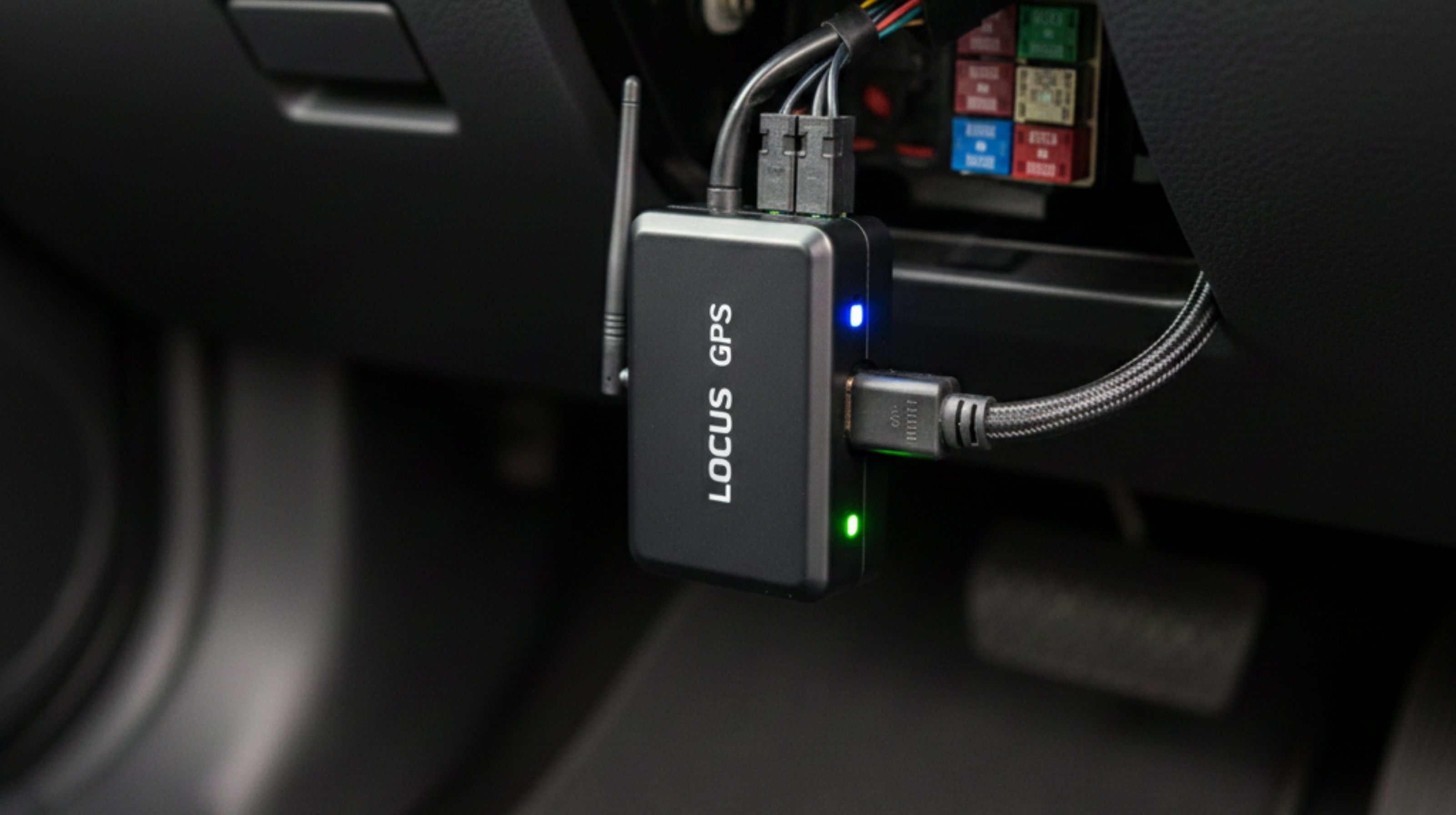
The imperative to secure personal and business assets has never been more pronounced, particularly as vehicle theft rates see concerning upticks across many regions. In this evolving landscape, a robust car tracking device has transitioned from a niche luxury to an essential security component for many drivers and fleet managers. People are actively seeking solutions that offer real-time oversight and rapid recovery capabilities, driven by a desire to protect their investment and mitigate the significant disruption and financial loss associated with vehicle disappearance. The urgency is palpable, with insurance premiums reflecting the heightened risk, pushing individuals and organizations to adopt proactive security measures.
The latest shift most people missed is not just the technology's advancement, but its accessibility. What was once a complex, expensive system is now available in user-friendly formats, making vehicle monitoring within reach for virtually everyone. Without robust monitoring, vehicles remain vulnerable, and the financial and emotional toll of loss can be substantial, often taking weeks or even months to resolve, if at all. This reality underscores the immediate need for reliable tracking solutions that offer more than just a vague location point.
What's starting to matter now is differentiating between true real-time active tracking and more passive data logging, a distinction often blurred in marketing materials. Understanding this fundamental difference is crucial when selecting a system that genuinely meets your security requirements.
What Exactly is a Car Tracking Device?
A car tracking device is an electronic system that uses Global Positioning System (GPS) technology, often supplemented by cellular or satellite communication, to pinpoint the geographical location of a vehicle. It transmits this location data to a remote user, enabling real-time monitoring, historical route analysis, and critical security functions like geofencing alerts and stolen vehicle recovery.
Understanding How Car Tracking Devices Operate
At its core, a car tracking device functions by receiving signals from GPS satellites to determine its precise coordinates. These coordinates are then transmitted via a cellular network (similar to how your mobile phone sends data) or, for remote areas, sometimes via satellite communication, to a server. This data is then accessible to the user through a web-based portal or a dedicated mobile application, providing a visual representation of the vehicle's location on a map.
There are generally two main categories of these devices: active and passive. Active tracking devices transmit data continuously, allowing for real-time monitoring and immediate alerts. This is ideal for scenarios requiring instant updates, such as tracking a stolen vehicle or overseeing a delivery fleet. Passive devices, on the other hand, store data internally and require physical retrieval and download to access the information. While less immediate, they can be useful for retrospective analysis of routes and driver behavior without constant connectivity.
Connectivity options vary, with most modern devices leveraging 4G LTE for faster, more reliable data transmission. Some advanced systems integrate with the vehicle's onboard diagnostics (OBD-II) port, drawing power directly and accessing a wealth of vehicle performance data beyond just location. Others are hardwired into the vehicle's electrical system, offering a more permanent and tamper-resistant solution, while battery-powered trackers provide maximum flexibility for covert placement and use in non-powered assets, albeit with a need for periodic recharging.
Key Benefits of Integrating a Vehicle Tracking System
The advantages of installing a car tracking device extend far beyond simple location awareness, offering a multi-faceted approach to vehicle management and security. From working with real businesses and individual owners, the practical benefits are consistently cited as significant value drivers.
Perhaps the most immediate and impactful benefit is enhanced security and stolen vehicle recovery. In the unfortunate event of theft, a tracking device can provide law enforcement with real-time location data, drastically increasing the chances of recovering the vehicle swiftly and intact. This proactive capability minimises the typical lengthy and often fruitless process of investigation, translating into quicker resolution and reduced financial impact.
For fleet managers, these devices are indispensable for operational efficiency. They enable real-time monitoring of vehicle locations, route optimisation, fuel consumption analysis, and driver behavior assessment. This leads to reduced operational costs through more efficient routing and less unauthorised vehicle use, improved productivity by ensuring drivers stick to schedules, and enhanced safety through monitoring harsh braking or rapid acceleration. The data collected can inform better resource allocation and strategic planning.
Beyond the tangible recovery statistics, the psychological assurance a reliable car tracking device offers is often understated. Knowing that your vehicle is monitored provides significant peace of mind for car owners, particularly those with valuable assets or in high-risk areas. For parents of new drivers, it offers a discreet way to ensure their children are driving responsibly and staying within predetermined safe zones, utilising features like geofencing to alert them if the vehicle enters or leaves specific areas.
Common Misconceptions and Pitfalls to Avoid
Despite the clear benefits, several misconceptions surround car tracking devices, and users often fall into common pitfalls that diminish their effectiveness. After analyzing recent patterns, a common mistake is assuming that simply having a device is enough. Over-reliance without understanding its limitations or proper setup can create a false sense of security.
One prevalent misconception is that all tracking devices offer the same level of accuracy and real-time updates. Cheaper, less sophisticated devices might only provide intermittent updates, or their location data could have a significant margin of error, rendering them less effective in critical situations like theft recovery. True real-time tracking, typically with updates every few seconds, requires robust hardware and a reliable data plan, which often comes at a higher, but justified, cost.
Another pitfall is neglecting privacy concerns. While beneficial for security and management, the continuous monitoring of a vehicle raises ethical and legal questions, especially in commercial contexts or when tracking family members. It's crucial to understand and adhere to local privacy laws and ensure transparent communication with drivers or family members about the tracking's purpose and scope. Unauthorised tracking can lead to serious legal repercussions.
Furthermore, many users underestimate the importance of professional installation. A poorly installed device can be easily discovered and tampered with by thieves, or it might suffer from poor signal reception, rendering it ineffective. A practical takeaway most blogs skip is the critical importance of discreet, professional installation. A visible device is a compromised device, and one that's not properly wired can drain the car's battery or interfere with other electronic systems.
Real-World Applications and Use Cases
The versatility of a car tracking device means its applications span a wide array of scenarios, from individual safety to large-scale logistics. These devices are not merely for stolen vehicle recovery; they serve as critical tools for insight and management across various sectors.
For personal vehicle owners, the most evident use case is enhanced security against theft. Beyond this, a car tracking device can be invaluable in emergencies. If a vehicle breaks down in an unfamiliar or remote location, its precise coordinates can be shared with roadside assistance or emergency services, significantly reducing response times. Parents often use them to monitor teenage drivers, setting speed limits or geofenced boundaries, receiving alerts if these parameters are exceeded, thus promoting safer driving habits.
In the commercial sector, fleet management is revolutionised by tracking technology. Delivery companies use them to optimise routes, reduce fuel consumption, and provide accurate estimated times of arrival (ETAs) to customers. Construction companies track heavy machinery and equipment to prevent theft and ensure optimal utilisation across different job sites. Rental car agencies leverage tracking to prevent unauthorised use, locate overdue vehicles, and ensure compliance with geographical restrictions.
Specialised industries also benefit. Logistics firms manage complex supply chains, ensuring high-value cargo reaches its destination securely and on schedule. Public transportation authorities use tracking for real-time bus and train locations, improving scheduling and passenger information. Even emergency services employ these systems to dispatch the closest available unit to an incident, thereby improving critical response times.
Best Practices for Selecting and Utilising a Car Tracking Device
Choosing and effectively using a car tracking device requires careful consideration to ensure it meets your specific needs while avoiding common pitfalls. Based on how platforms behave today, focusing on specific features and reputable providers is paramount.
Firstly, assess your primary objective. Are you prioritising stolen vehicle recovery, fleet management, parental monitoring, or a combination? This will dictate the type of device (active vs. passive, wired vs. battery-powered) and the feature set you require. Look for devices offering robust, real-time tracking with frequent updates, not just intermittent pings. Consider features like geofencing, speed alerts, ignition alerts, and tamper alerts for comprehensive security.
Secondly, investigate the service provider's network coverage and data plan options. A superior device is useless without reliable cellular connectivity in the areas where your vehicle operates. Ensure the subscription plan aligns with your usage patterns and budget, paying close attention to any hidden fees or long-term contract requirements. Look for providers with strong customer support and intuitive mobile applications for ease of use.
Thirdly, prioritise discreet and professional installation. As discussed, a visible device can be easily disabled. For hardwired devices, professional installation ensures proper electrical integration, preventing battery drain and maintaining signal integrity. For battery-powered units, choose a location that is covert yet allows for adequate signal transmission. Regularly check the device's functionality, especially if it's battery-powered, to ensure it's charged and transmitting data correctly.
Finally, understand and respect privacy boundaries. If tracking employees, ensure they are fully aware and consent to the tracking, and that your practices comply with all relevant labor and privacy laws. For family use, open communication about the purpose of the device can build trust and prevent misunderstandings.
The Future Outlook for Vehicle Tracking Technology
The landscape of vehicle tracking technology is continuously evolving, driven by advancements in connectivity, artificial intelligence, and integrated security systems. Over the next 30-90 days and beyond, we can expect to see several key trends solidify, making the car tracking device even more sophisticated and indispensable.
The convergence of tracking with broader telematics solutions is accelerating. Expect tighter integration with vehicle diagnostics, predictive maintenance alerts, and even insurance telematics programs that reward safe driving. AI and machine learning will play an increasingly vital role, moving beyond simple location data to provide predictive insights into vehicle health, potential risks, and optimising driving behaviors in ways we're only beginning to explore.
Furthermore, enhanced anti-tamper technologies and signal jamming detection will become standard, making it significantly harder for sophisticated thieves to disable tracking systems. The emphasis will shift towards making devices not only covert but also resilient against electronic countermeasures. As connectivity expands with 5G networks, the speed and reliability of data transmission will reach unprecedented levels, enabling even more precise real-time tracking and richer data streams.
Ultimately, the car tracking device of the future will be less of a standalone gadget and more of an intelligent, interconnected component of a holistic vehicle security and management ecosystem. It will offer unparalleled control, insight, and peace of mind, solidifying its position as a critical asset for every vehicle owner and operator in an increasingly complex world.


Comments
Post a Comment