AI Dashcam: Proactive Risk Prevention for Enhanced Road Safety
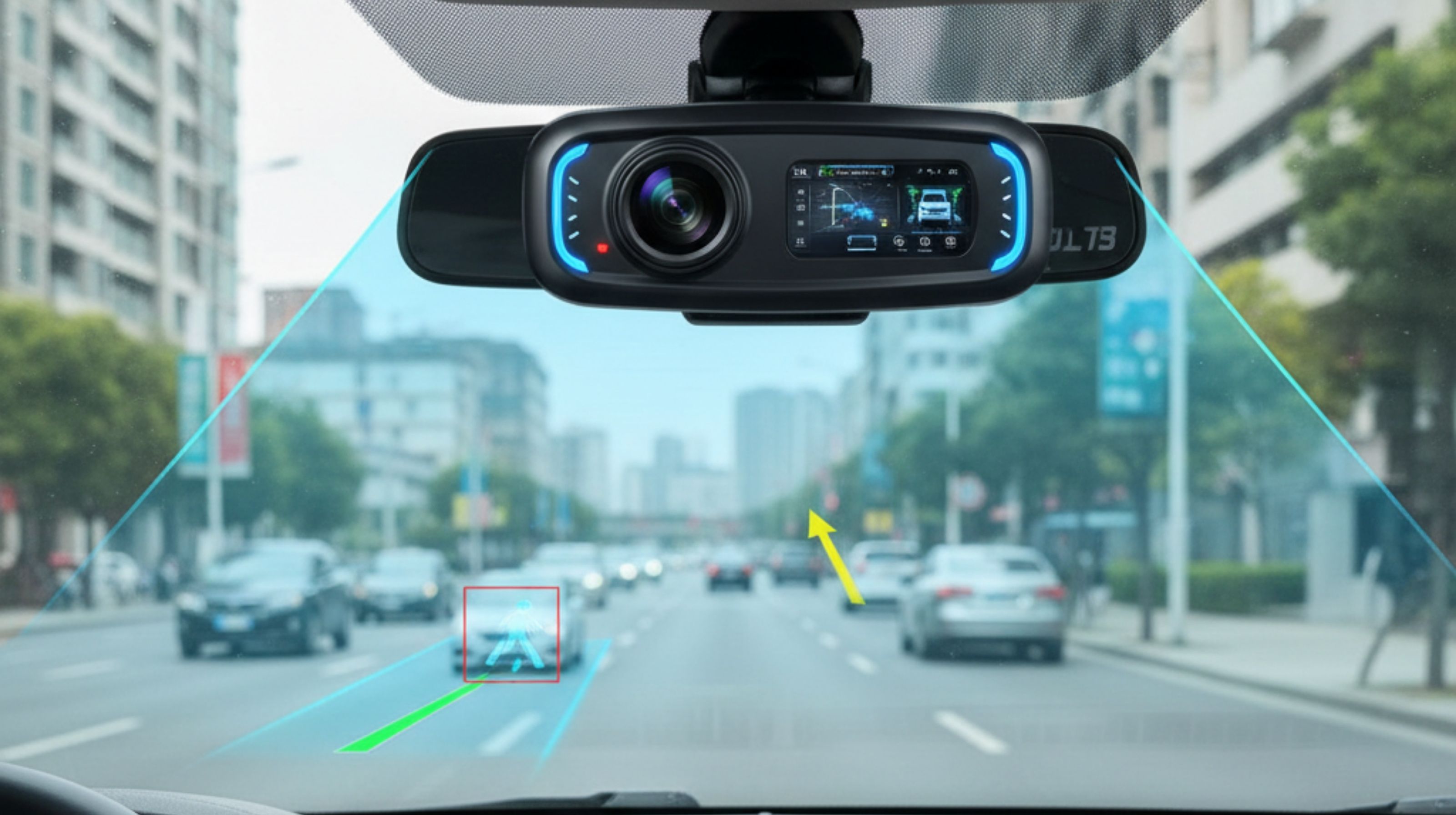
The landscape of road safety is undergoing a significant transformation, driven by advancements in artificial intelligence and sensor technology. For years, dashcams served primarily as retrospective tools, documenting incidents after they occurred. However, the latest shift most people missed isn't just better recording quality, but the algorithmic leap allowing an AI dashcam to proactively prevent risks, moving beyond mere evidence collection to become an active safety co-pilot.
This evolution is particularly crucial now, as road complexities increase and the cost of human error continues to mount. Traditional reactive approaches leave a critical gap, often failing to address the underlying behavioral patterns that lead to accidents. The hidden cost of *near misses* often goes unrecorded and unanalyzed, yet these subtle indicators are precisely where AI dashcams shine, identifying dangerous driving habits before they escalate into serious incidents.
Understanding how these intelligent systems operate is paramount for anyone involved in transportation, whether managing a large fleet or simply seeking enhanced personal safety. What’s starting to matter now isn’t just recording an event, but predicting and mitigating potential hazards in real-time, fundamentally changing how we approach driver safety and operational efficiency.
What is an AI Dashcam and How Does it Proactively Prevent Risks?
An AI dashcam is an advanced vehicle camera system equipped with machine learning capabilities that analyze real-time video footage and telemetry data to detect potential hazards, risky driving behaviors, and environmental threats. Unlike conventional dashcams that simply record, an AI dashcam proactively prevents risks by providing immediate, actionable insights and alerts to drivers, fleet managers, and even passengers.
These sophisticated devices leverage computer vision and sensor fusion to monitor the road ahead, cabin activity, and vehicle dynamics. They don't just record; they interpret, learn, and intervene. This proactive stance is achieved through a combination of continuous data processing and intelligent algorithms that identify deviations from safe driving norms, allowing for timely intervention rather than post-incident analysis.
Key Technologies Enabling Proactive Prevention
The ability of an AI dashcam to proactively prevent risks hinges on several core technological advancements working in concert. These aren't isolated features but integrated components that create a comprehensive safety ecosystem within the vehicle.
At its heart is advanced machine vision, which allows the dashcam to "see" and understand the road environment. This includes detecting other vehicles, pedestrians, cyclists, lane markers, and traffic signs. From working with real businesses, we’ve seen how sophisticated neural networks process this visual data to identify impending collisions, lane departures, and even drowsiness or distraction in the driver.
Complementing machine vision is sensor fusion. This involves combining data from various sources beyond just the camera, such as GPS for location and speed, accelerometers for sudden braking or acceleration, and gyroscopes for harsh cornering. By integrating these data streams, the AI system gains a more complete picture of the vehicle's state and its interaction with the environment, leading to more accurate risk assessments and fewer false positives.
Edge computing is another critical element. Rather than sending all raw data to the cloud for processing, much of the AI analysis happens directly on the device within the dashcam itself. This reduces latency significantly, enabling real-time alerts and interventions that are crucial for proactive risk prevention. A driver needs to know about a potential hazard *now*, not minutes later after data has been uploaded and processed remotely.
Finally, predictive analytics plays a transformative role. Based on how platforms behave today, these systems don't just react to an immediate threat; they learn from vast amounts of historical driving data and identify patterns that indicate a higher probability of future incidents. This allows for personalized risk scoring for drivers and the ability for fleet managers to intervene with targeted coaching before a pattern of risky behavior leads to an accident.
Real-World Impact: Use Cases Beyond Recording
The true value of an AI dashcam extends far beyond merely recording an accident for insurance purposes; its real-world impact is in fundamentally reshaping safety protocols and operational efficiency. Many blogs focus on the immediate crash evidence, but the broader benefit lies in its preventative applications across various sectors.
For commercial fleets, an AI dashcam proactively preventing risks translates directly into tangible operational improvements. Consider a long-haul trucking company: these systems can detect signs of driver fatigue, such as excessive yawning or eye closure, and issue immediate in-cab alerts. This isn't just about preventing a single drowsy driving incident; it’s about establishing a culture of driver wellness and reducing the cumulative effect of exhaustion-related near-misses that often go unreported. The practical takeaway most blogs skip is how this data integrates into driver shift planning and mandatory rest periods, creating a data-driven safety management cycle.
In public transportation, such as buses or taxis, these dashcams offer an unparalleled layer of safety for passengers and other road users. They can monitor for distracted driving – phone usage, eating, or other non-driving activities – and provide real-time audio warnings. This immediate feedback helps correct behavior on the spot, rather than waiting for disciplinary action after a complaint or incident. The clarity around the misconception that these are purely punitive tools becomes evident here; they are coaching devices designed to improve performance proactively.
Even for individual vehicle owners, the benefits are significant. Imagine driving through a busy urban area: the AI dashcam can warn you of a pedestrian stepping off the curb or a vehicle in your blind spot, acting as an extra set of eyes when human attention might momentarily lapse. This augments the vehicle’s existing advanced driver-assistance systems (ADAS), providing a more comprehensive safety net that helps prevent minor fender-benders and major collisions alike.
Common Misconceptions and Pitfalls to Avoid
Despite their clear advantages, the adoption of an AI dashcam can be hindered by several common misconceptions. Addressing these is crucial for maximizing their effectiveness and ensuring positive integration into existing driving practices.
One prevalent misconception is that AI dashcams are primarily surveillance tools designed solely for punishment. While they do record, their core purpose is proactive risk mitigation and driver improvement. They are advanced coaching platforms, offering objective, real-time feedback that empowers drivers to self-correct and develop safer habits. The data collected isn't just for disciplinary action; it’s a rich source for identifying training needs and celebrating safe driving achievements.
Another pitfall is expecting a "set it and forget it" solution. An AI dashcam is a powerful tool, but its full potential is realized when integrated into a broader safety program. Simply installing the device without providing driver training, reviewing data, or acting on insights will yield suboptimal results. After analyzing recent patterns, organizations that implement a feedback loop—where AI insights inform coaching sessions and policy adjustments—see the most significant safety improvements.
Furthermore, some believe that AI dashcams are infallible. While highly sophisticated, like all technology, they can be affected by extreme weather conditions, sensor obstructions, or even software glitches. It's important to understand their capabilities and limitations and to ensure regular maintenance and software updates. Relying solely on the technology without maintaining driver awareness and judgment is a mistake; the AI is an assistant, not a replacement for human vigilance.
Best Practices for Maximizing AI Dashcam Effectiveness
To truly leverage the power of an AI dashcam for proactive risk prevention, specific best practices must be observed. These go beyond mere installation and delve into how the technology is integrated into daily operations and driver culture.
Firstly, comprehensive driver training is non-negotiable. Drivers need to understand *how* the AI dashcam works, *why* it’s being used, and *what* kind of feedback they can expect. This fosters trust and ensures drivers view the system as a helpful safety aid rather than an intrusive monitor. Educate them on real-time alerts for harsh braking, speeding, or lane departure, explaining how these indicators contribute to their overall safety score and personal development.
Secondly, establish clear and consistent feedback mechanisms. When an AI dashcam flags an incident or risky behavior, there should be a defined process for reviewing the footage, discussing it with the driver, and offering constructive coaching. This isn't about shaming but about continuous improvement. Based on how platforms behave today, many AI dashcam systems provide easy-to-digest driver scorecards, which can be invaluable for personalized coaching sessions.
Thirdly, regularly review and analyze aggregated data. Beyond individual incidents, fleet managers should look for broader trends across their entire operation. Are certain routes more prone to specific types of risks? Do particular times of day show elevated levels of distracted driving? This macro-level analysis allows for strategic interventions, such as adjusting routes, rescheduling shifts, or implementing targeted safety campaigns, providing a practical takeaway that enhances overall fleet safety beyond individual driver correction.
Finally, ensure the system is properly maintained and updated. Software updates often bring new features, improved detection algorithms, and enhanced accuracy. Physical maintenance, such as keeping the camera lens clean and ensuring secure mounting, is also crucial for optimal performance. An AI dashcam proactively preventing risks is a living system that benefits from ongoing attention.
The Future of Proactive Road Safety with AI Dashcams
The integration of an AI dashcam into our vehicles represents a monumental leap forward in proactive risk prevention. We are rapidly moving towards a future where road safety isn’t just about reacting to accidents, but actively preventing them before they can even materialize. This shift from reactive to proactive intervention is precisely what the latest generation of AI dashcams delivers.
In the next 30-90 days, we’ll continue to see refinements in AI algorithms, leading to even more precise detection of nuanced driver behaviors and environmental hazards. Expect enhanced predictive capabilities, where systems not only warn of immediate danger but also anticipate potential risks further down the road based on context and historical data. This continuous evolution means the AI dashcam will remain at the forefront of vehicle safety technology, ensuring drivers and fleets are equipped with the most advanced tools for a safer journey.


Comments
Post a Comment